IL NUMERO DI OTTOBRE 2026 in edicola
IL NUMERO DI OTTOBRE 2026 in edicola
IL NUMERO DI OTTOBRE 2026 in edicola
IL NUMERO DI OTTOBRE 2026 in edicola
IL NUMERO DI OTTOBRE 2026 in edicola
IL NUMERO DI OTTOBRE 2026 in edicola


Verifica le date inserite: la data di inizio deve precedere quella di fine


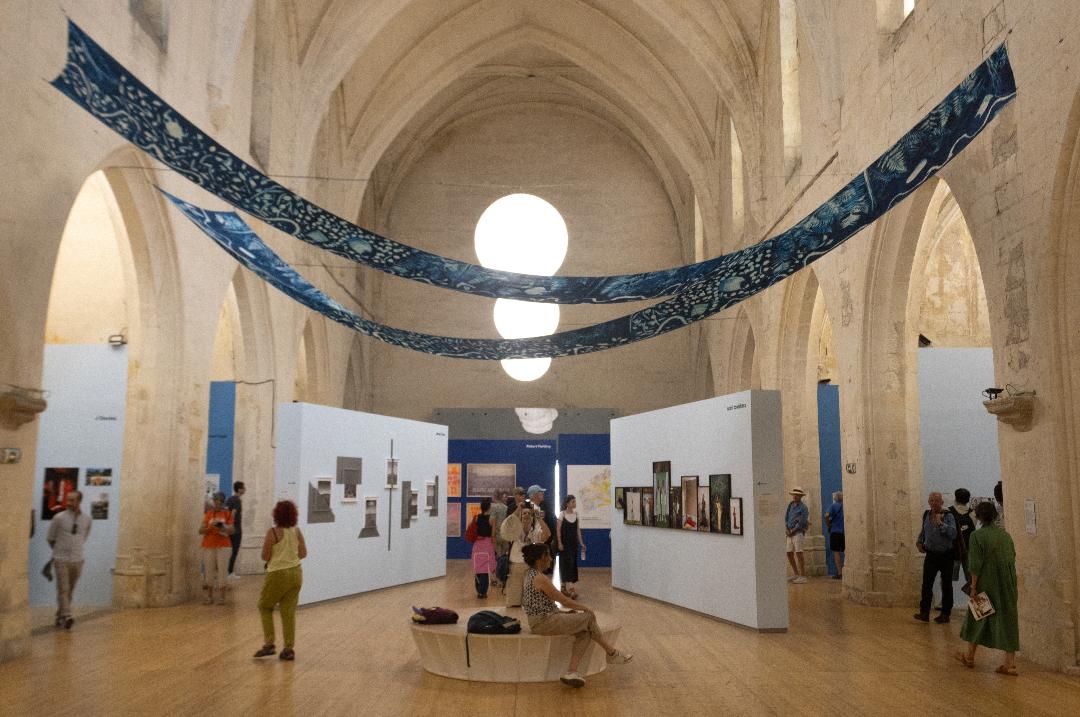
Les Rencontres d’Arles
© Lyne Thevenon
Come costruire un festival di successo: i 10 punti di François Hébel
Dal luogo al budget, dal pubblico al marketing, fino all’équipe: l’ex direttore dei Rencontres d’Arles passa in rassegna gli elementi essenziali per progettare un evento di successo
Rica Cerbarano
Leggi i suoi articoliAbbiamo chiesto a François Hébel, già direttore dei Rencontres d’Arles (1986, 1987 e 2001-14), FotoIndustria (2013-17) e Mois de la Photo du Grand Paris (2017), e oggi ai vertici di Camera-Centro Italiano per la Fotografia, quali siano le 10 cose da tenere a mente quando si progetta un festival.
1. Il luogo
Per organizzare un festival bisogna prima capire la città che lo ospita. Non è la stessa cosa lavorare in un centro di 25mila abitanti come Arles o in una grande città come Parigi. Contano gli spazi espositivi, ma anche gli alberghi, i ristoranti, i servizi. Un festival internazionale ha bisogno di una città in grado di accogliere visitatori, professionisti e artisti, altrimenti resta un evento soprattutto locale. Anche per questo motivo, è importante che il luogo sia ben raggiungibile.
2. Il contesto
Oggi i festival di fotografia sono molti e chi la ama è disposto a viaggiare. Per questo bisogna chiedersi quale ruolo possa avere una nuova manifestazione e qual è il contesto in cui si opera come organizzatori. Può essere un festival pensato per il territorio oppure un evento capace di attirare persone da fuori grazie a proposte uniche. Non è necessario fare un festival per tutti: l’importante è capire quale funzione può svolgere e cosa può offrire di diverso rispetto a ciò che esiste già.
3. Il budget
Il budget è un elemento decisivo. Con poche risorse è meglio organizzare due o tre mostre molto belle piuttosto che decine di esposizioni senza qualità. La parte più importante del budget dovrebbe essere destinata alla produzione delle mostre, perché creare progetti nuovi rende il festival più interessante e riconoscibile. Portare mostre già esposte in altre città può funzionare, soprattutto per il pubblico che non le ha mai viste. Ma il vero ruolo del festival dovrebbe essere produrre nuove opere o nuove esposizioni. È importante anche non dipendere troppo da un solo finanziatore, pubblico o privato, così da mantenere piena libertà nelle scelte artistiche. Una parte importante del budget deve venire dalla vendita dei biglietti. Se il programma è di qualità, pagare un prezzo accessibile non rappresenta un problema.
4. La direzione artistica
La direzione artistica è fondamentale, ma non deve essere sempre la stessa, si può cambiare! Dopo alcuni anni si rischia di perdere energia e idee. Per questo può essere utile invitare altri artisti o curatori a partecipare alla progettazione del programma. Ad Arles, per esempio, ho coinvolto fotografi e personalità molto diverse, come Martin Parr, Raymond Depardon, Christian Lacroix e Nan Goldin. Questo mi ha permesso di portare nuovi sguardi e nuove idee, mantenendo però una continuità nell’organizzazione del festival. Certo, è stato un rischio, ma ha funzionato.
5. Il pubblico
Per costruire il pubblico, le attività educative sono un investimento sul futuro. Coinvolgere bambini e ragazzi significa creare un rapporto che può durare molti anni. L’obiettivo è che qualcuno, una volta adulto, torni al festival e lo senta come parte della propria storia personale. Dicevo sempre alla mia squadra: «Abbiamo vinto se, tra tutte le classi che vengono oggi, tra dieci anni almeno uno torna. Uno su tutta la classe, magari il 10%. E che torni portando con sé un amico o una persona importante per lui».
6. La squadra
Un festival richiede competenze precise. Un falegname deve fare il falegname, un pittore deve fare il pittore. Non ci si può improvvisare! Negli allestimenti, tutto dev’essere perfetto. Sapendo che un festival, per sua natura, è un evento effimero e accade in luoghi effimeri, è necessario fare qualcosa di bello senza spendere troppo. È importante inoltre essere sostenibili riutilizzando i materiali. Ho notato negli anni che gli allestitori museali non si sanno adattare, mentre io ho sempre lavorato benissimo con i tecnici provenienti dal teatro. Spesso sono molto colti e portano grandi soluzioni.
7. Il marketing
Un festival ha bisogno innanzitutto di un programma forte, perché è il programma ad alimentare il racconto e a dare senso alla comunicazione. Altrimenti si fa soltanto pubblicità, senza anima. È fondamentale che il festival sia in grado di raccontare una storia, di spiegare perché sono state fatte determinate scelte e quale filo unisce le mostre proposte. Oggi molti curatori partono da un tema e costruiscono attorno a esso l’intero programma. Il mio metodo era diverso. Tra agosto e dicembre viaggiavo molto, visitavo mostre, studi e archivi, raccogliendo tutto ciò che mi sembrava forte e interessante. Solo in un secondo momento guardavo il materiale e mi chiedevo: «Qual è la storia che possiamo raccontare?». Era un modo di lavorare molto istintivo, che mi divertiva enormemente, ma funzionava bene. Perché, in fondo, il pubblico si aspetta proprio questo: che qualcuno gli racconti una storia.
8. Sperimentare
Un festival deve essere un luogo di sperimentazione, sia nei contenuti sia nelle modalità di allestimento. Altrimenti sono uguali alle istituzioni museali, dove spesso le fotografie vengono esposte tutte allo stesso modo, con le stesse cornici e la stessa illuminazione. Un festival, invece, deve avere il coraggio di tentare strade nuove, anche se non necessariamente in tutto il programma. È un aspetto che oggi tende a essere trascurato. Serve equilibrio: alcune mostre più accessibili e popolari, capaci di rassicurare chi teme un’offerta troppo specialistica o intellettuale, e altre più contemporanee e sperimentali.
9. Accettare le difficoltà
Bisogna essere consapevoli che organizzare un festival non è semplice: è un lavoro duro. Significa cercare finanziamenti presso persone e aziende che, in fondo, non venderanno un’auto in più o un prodotto in più grazie al festival. Convincerle a investire richiede tempo, pazienza e determinazione. Poi ci sono gli artisti, con le loro aspettative, le loro paure e le loro fragilità. A meno di lavorare solo con i morti (e io preferisco di gran lunga lavorare con i vivi!) c’è sempre una parte di incertezza. Ma è proprio questa incertezza che rende possibile la creatività: se non si è pronti ad accoglierla, si espongono soltanto fotografie, non si produce davvero qualcosa di nuovo. È un lavoro molto più impegnativo di quanto si immagini.
10. Avere motivazione
Bisogna avere più ambizione di quella che gli altri hanno per noi e, soprattutto, essere mossi dal piacere di fare questo mestiere. Non è una questione di sacrificio, ma di motivazione. Senza entusiasmo diventa difficile affrontare un’attività in cui i due mesi del festival sono intensissimi, mentre il resto dell’anno è occupato da riunioni, bilanci, pratiche amministrative e organizzazione. Credo che un festival assomigli molto a un film. All’inizio c’è una sinossi, un’idea guida. Poi si scelgono gli artisti, si fa il casting, si costruisce il programma e si affrontano imprevisti di ogni genere: qualcuno si ammala, un progetto cambia forma, qualcosa non va come previsto. Arriva infine il momento della produzione delle mostre: ciak, si gira! E intanto quello della promozione. E quando il festival apre al pubblico, come accade per un film il giorno dell’uscita in sala, non si può più intervenire: il treno è partito.
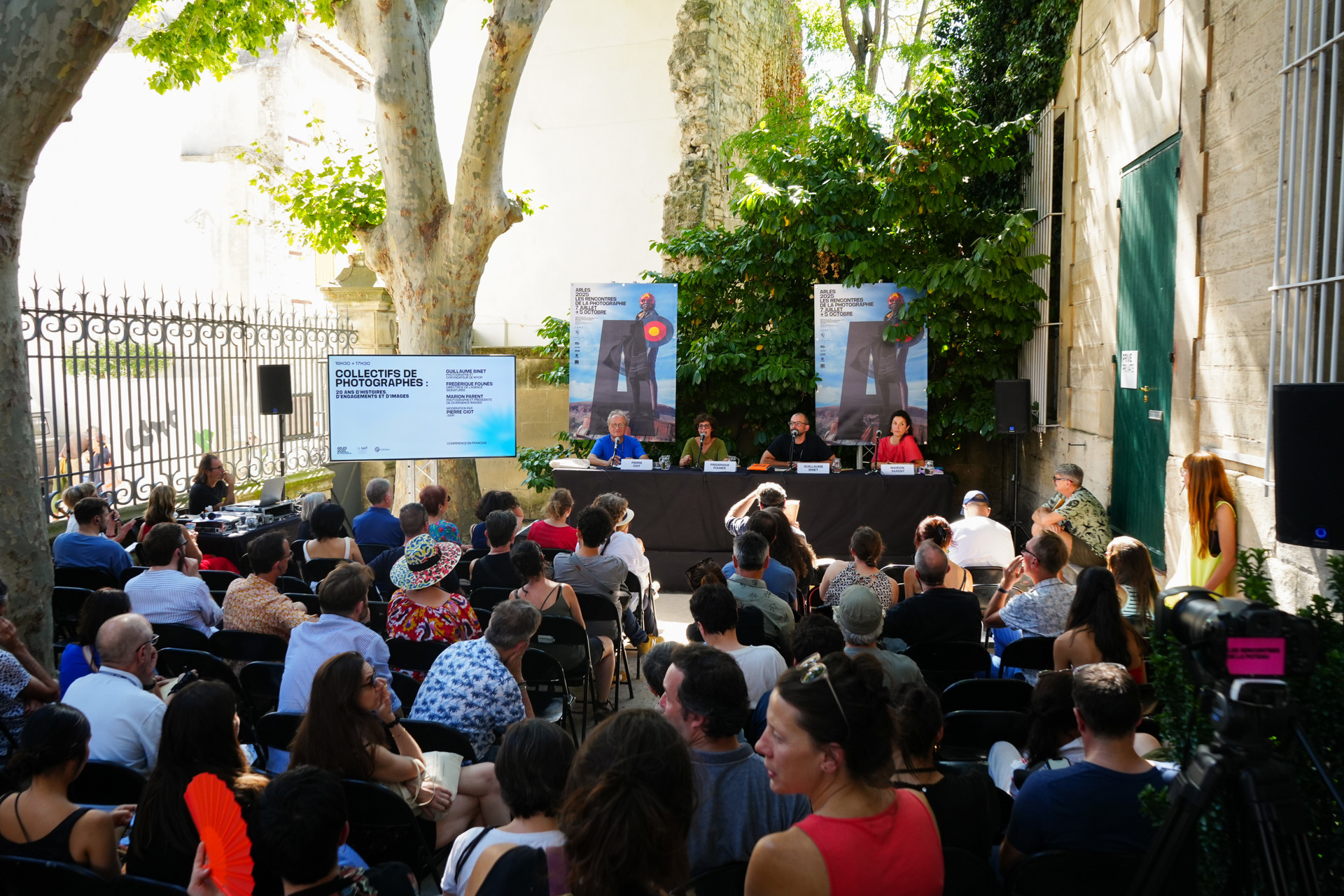
Les Rencontres d’Arles. © Mélody Rondenet
How to Build a Successful Festival: François Hébel’s 10 Key Principles
We asked François Hébel, former director of the Rencontres d’Arles (1986, 1987 and 2001-14), FotoIndustria (2013-17) and Mois de la Photo du Grand Paris (2017), and who is now at the helm of Camera-Italian Centre for Photography, to share the 10 things to bear in mind when planning a festival.
1. The venue
To organise a festival, you first need to understand the city hosting it. Working in a town of 25,000 inhabitants like Arles is not the same as working in a major city like Paris. Exhibition spaces matter, but so do hotels, restaurants and amenities. An international festival needs a city capable of welcoming visitors, professionals and artists; otherwise, it remains primarily a local event. For this reason too, it is important that the venue is easily accessible.
2. The context
There are many photography festivals today, and those who love photography are willing to travel. For this reason, we must ask ourselves what role a new event might play and what context we, as organisers, are operating in. It could be a festival designed for the local area or an event capable of attracting people from further afield thanks to unique offerings. It is not necessary to organise a festival for everyone: the important thing is to understand what function it can fulfil and what it can offer that is different from what already exists.
3. The budget
The budget is a decisive factor. With limited resources, it is better to organise two or three excellent exhibitions rather than dozens of exhibitions lacking in quality. The largest portion of the budget should be allocated to the production of the exhibitions, because creating new projects makes the festival more interesting and distinctive. Bringing exhibitions that have already been shown in other cities can work, especially for audiences who have never seen them before. But the festival’s true role should be to produce new works or new exhibitions. It is also important not to rely too heavily on a single funder, whether public or private, so as to maintain complete freedom in artistic choices. A significant portion of the budget must come from ticket sales. If the programme is of high quality, paying an affordable price is not a problem.
4. Artistic direction
Artistic direction is fundamental, but it does not always have to be the same, it can change! After a few years, there is a risk of losing energy and fresh ideas. That is why it can be useful to invite other artists or curators to help shape the programme. In Arles, for example, I involved photographers and figures from very different backgrounds, such as Martin Parr, Raymond Depardon, Christian Lacroix and Nan Goldin. This allowed me to bring in new perspectives and fresh ideas, whilst maintaining continuity in the festival’s organisation. Of course, it was a risk, but it paid off.
5. The audience
When it comes to building an audience, educational activities are an investment in the future. Engaging children and young people means forging a relationship that can last for many years. The aim is for someone, once they’ve grown up, to return to the festival and feel that it’s part of their personal history. I always used to say to my team: «We’ve succeeded if, out of all the classes coming today, at least one returns in ten years’ time. Just one from the whole class, perhaps 10 per cent. Even more so if they come back bringing a friend or someone important to them».
6. The team
A festival requires specific skills. A carpenter must be a carpenter; a painter must be a painter. You can’t just wing it! When it comes to set design, everything must be perfect. Bearing in mind that a festival, by its very nature, is a fleeting event taking place in temporary venues, it’s essential to create something beautiful without overspending. It’s also important to be sustainable by reusing materials. Over the years, I’ve noticed that museum set designers struggle to adapt, whereas I’ve always worked extremely well with technicians from the theatre. They’re often highly knowledgeable and come up with brilliant solutions.
7. Marketing
A festival needs, first and foremost, a strong programme, because it is the programme that fuels the narrative and gives meaning to the communication. Otherwise, you’re just doing advertising, without any soul. It is essential that the festival is able to tell a story, to explain why certain choices were made and what thread links the proposed exhibitions. Today, many curators start with a theme and build the entire programme around it. My method was different. Between August and December I travelled extensively, visiting exhibitions, studios and archives, gathering everything that struck me as powerful and interesting. Only later would I look through the material and ask myself: «What is the story we can tell?». It was a very instinctive way of working, which I enjoyed immensely, but it worked well. Because, after all, that is precisely what the public expects: for someone to tell them a story.
8. Experimentation
A festival must be a place for experimentation, both in terms of content and in the way it is staged. Otherwise, it is no different from a museum, where photographs are often displayed in exactly the same way, with the same frames and the same lighting. A festival, on the other hand, must have the courage to try new approaches, even if not necessarily throughout the entire programme. This is an aspect that tends to be overlooked today. A balance is needed: some more accessible and popular exhibitions, capable of reassuring those who fear the programme might be too specialised or intellectual, and others that are more contemporary and experimental.
9. Accepting the difficulties
We must be aware that organising a festival is no easy task: it is hard work. It means seeking funding from individuals and companies who, after all, will not sell one more car or one more product thanks to the festival. Convincing them to invest requires time, patience and determination. Then there are the artists, with their expectations, their fears and their vulnerabilities. Unless you work only with the dead (and I much prefer working with the living!), there is always an element of uncertainty. But it is precisely this uncertainty that makes creativity possible: if you are not prepared to embrace it, you merely exhibit photographs; you do not truly produce anything new. It is a much more demanding job than one might imagine.
10. Having motivation
You need to have more ambition than others have for you and, above all, be driven by the pleasure of doing this job. It’s not a question of sacrifice, but of motivation. Without enthusiasm, it becomes difficult to tackle a role in which the two months of the festival are incredibly intense, whilst the rest of the year is taken up with meetings, budgets, administrative tasks and organisation. I believe a festival is very much like a film. It starts with a synopsis, a guiding idea. Then you select the artists, carry out the casting, put together the programme and deal with all sorts of unforeseen events: someone falls ill, a project takes a different turn, something doesn’t go as planned. Finally, the time comes to produce the exhibitions: action! And at the same time, the promotional work begins. And when the festival opens to the public, just like a film on its release day, there’s no turning back: the train has left the station.
Rica Cerbarano, 30 giugno 2026 | © Riproduzione riservata
Rica Cerbarano
Leggi i suoi articoliAltri articoli dell'autore
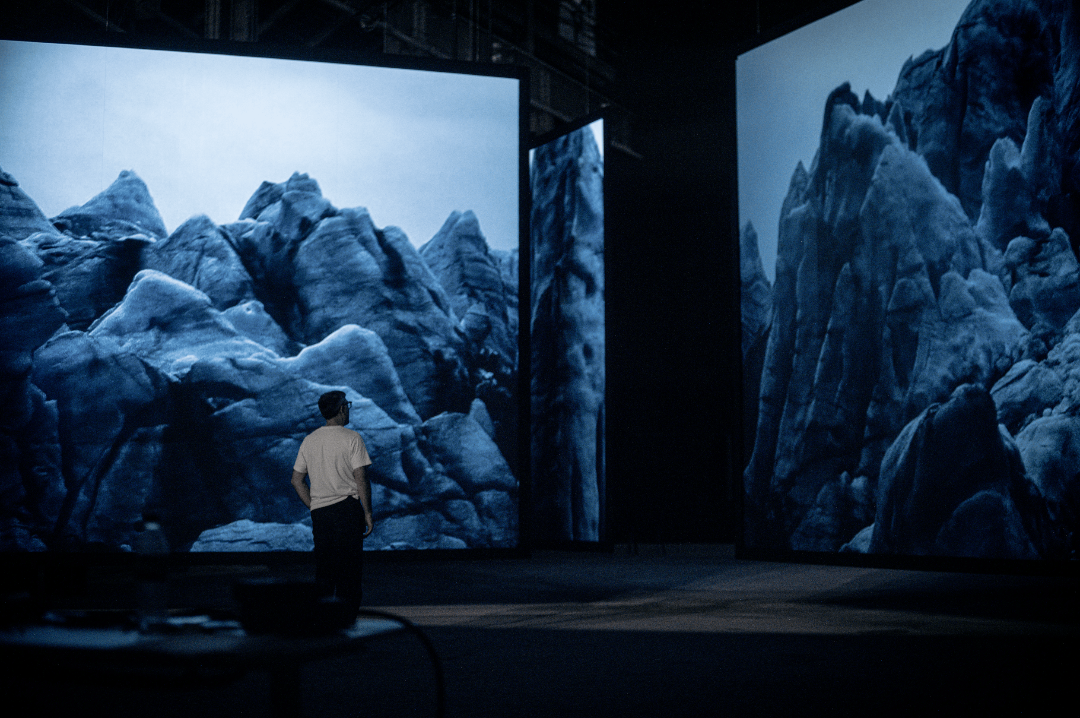
Addetti ai lavori, curatori, artisti e fotografi sembrano concordare su un punto: quest’anno è impossibile lasciare Arles senza una visita alla LUMA
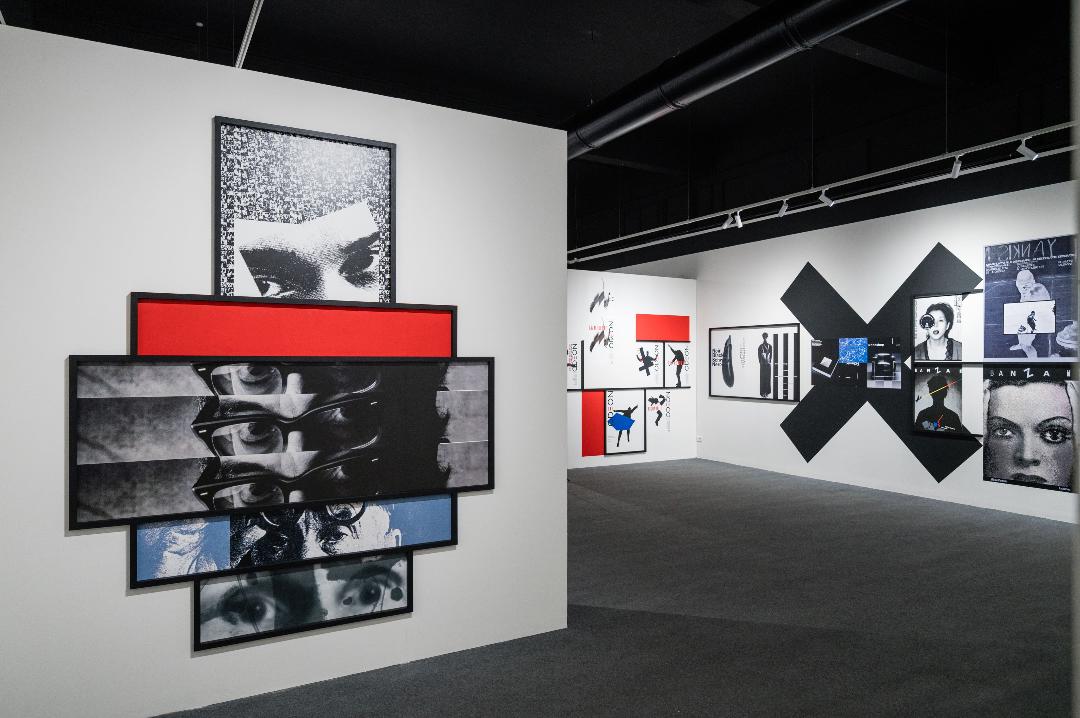
Nella Project Room di Camera a Torino il grafico svizzero ha progettato anche l’allestimento: «un’installazione pensata come un’immersione nella lettura di un libro o la visione di un film»
The Glorious Mothers, per il terzo anno consecutivo alla Fondazione Pistoletto, ripensa l’esperienza della residenza d’artista per artiste con famiglia
Sono oltre mille le manifestazioni sparse nel mondo. A questa proliferazione però non sempre corrisponde una diversificazione dei contenuti: alcuni esempi interessanti nel nostro Paese