IL NUMERO DI OTTOBRE 2026 in edicola
IL NUMERO DI OTTOBRE 2026 in edicola
IL NUMERO DI OTTOBRE 2026 in edicola
IL NUMERO DI OTTOBRE 2026 in edicola
IL NUMERO DI OTTOBRE 2026 in edicola
IL NUMERO DI OTTOBRE 2026 in edicola


Verifica le date inserite: la data di inizio deve precedere quella di fine


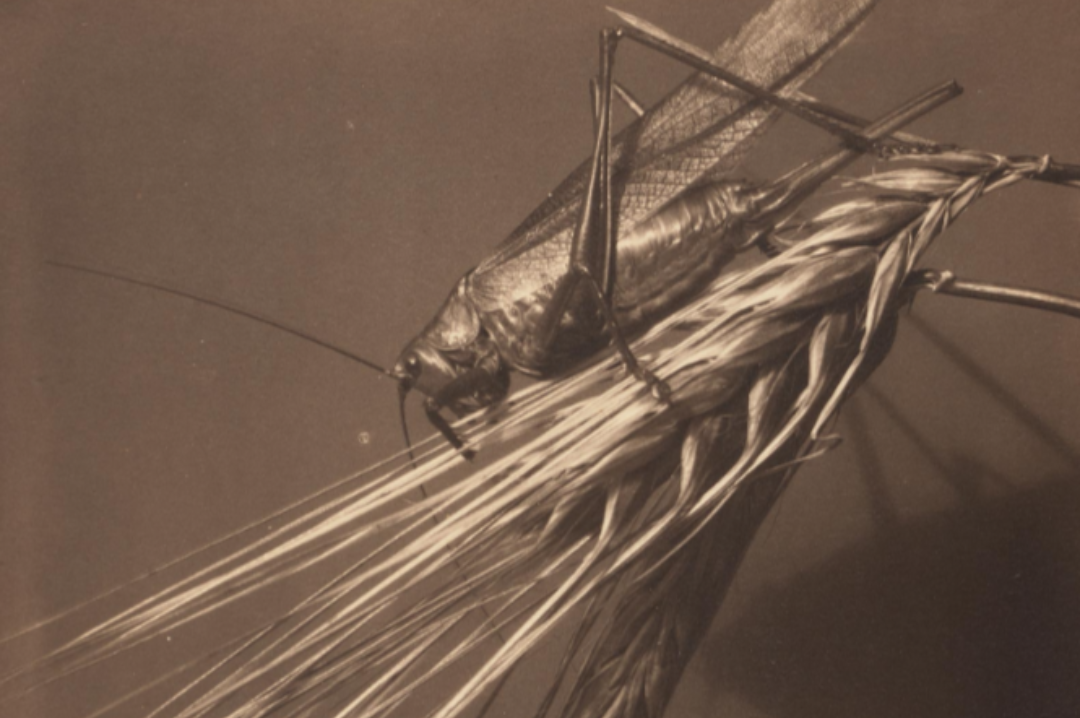
Edward Steichen, «Cavalletta e stelo di grano», Voulangis, Francia, 1920.
Collezione della MNAHA Lussemburgo © 2026 The Estate of Edward Steichen / Artists Rights Society (ARS), New York.
Secondo giorno da Arles: i grandi fotografi del Novecento oltre l'icona
Nel secondo reportage da Les Rencontres d’Arles, un percorso tra le mostre dedicate ai grandi protagonisti della fotografia del Novecento, da Edward Steichen a William Klein, fino a Harry Gruyaert e Martine Barrat, riletti attraverso nuove prospettive critiche
Carolina Sandretto
Leggi i suoi articoliLes Rencontres d’Arles è un festival rivolto a un pubblico esperto ma capace di attrarre anche le nuove generazioni e appassionati della fotografia classica. Ogni anno propone mostre dedicate ai “mostri sacri” della fotografia, rileggendone l’opera per metterne in luce aspetti meno noti e nuove interpretazioni.
Quest’anno l’attenzione si è concentrata su figure di grande rilievo, tra cui Edward Steichen. Nella mostra «The nature of Edward Steichen» si entra in un aspetto poco conosciuto del lavoro del fotografo, la natura e il rapporto che lui intratteneva con piante e fiori.
Originariamente pittore, Edward Steichen ha esplorato nella fotografia le qualità pittoriche dell'immagine e le interazioni tra ombra e luce. Nel 1914 vince la medaglia d'oro per l'agricoltura e, nella sua autobiografia del 1963, scrive che la ricerca in orticoltura è importante per lui quanto la fotografia. Questa ricerca si esprime in The Shadblow Tree, dove studia per quasi dieci anni le trasformazioni di un sicomoro, fotografandolo e filmandolo stagione dopo stagione. La natura diventa una performance continua, colta istante dopo istante. «Quest'albero è il simbolo di tutto ciò che esiste in natura; lo considero quasi un essere umano», dice l'artista. In mostra sono esposti anche il video del progetto e il poster Save Our Planet, realizzato per Olivetti nel 1971.
La mostra, allestita in uno spazio color rosa, presenta anche fotografie in bianco e nero di fiori che sembrano incisi come sculture e non fotografie. La gamma dei grigi, ricca e sfumata, conferisce alle immagini una profondità tale da far apparire i fiori sul punto di emergere dalla superficie fotografica. Steichen restituisce così una natura viva ma astratta, pur esaltando la precisione delle strutture dei fiori, trasforma il mondo vegetale in fotografie cesellate nella carta. Oltre alle fotografie di fiori si vedono anche delle immagini fatte da Steichen per la moda, dove appaiono, insieme alle modelle, orchidee, lilla e i delphinium, i suoi fiori preferiti, che porterà in mostra al MoMA di New York.
A 100 anni dalla sua nascita la mostra di William Klein «This Way To Heaven» raccoglie molto del suo lavoro più importante e iconico. Venuto a New York nel 1954 per lavorare come grafico, dopo aver passato i suoi anni formativi a Parigi vicino a Fernand Léger e Moholy – Nagy, Klein era un creativo d’eccezione. In questa mostra sono esposti i suoi lavori su Mohammed Ali, Polly Maggio e Mister Freedom. I suoi film su questi personaggi fittizi e non sono un'opera caustica quanto visionaria. Descrivono attraverso immagini colorate e personaggi immaginari i problemi che l’artista vede nascere negli Stati Uniti. I falsi miti e lo spettacolo alienante dei mass media che inizia nella società degli anni 1950 e imperversa oggi. La mostra si sviluppa in maniera tridimensionale mettendo in scena alcune delle persone che Klein ha fotografato, davanti all’altare della chiesa dove si svolge la mostra. Queste immagini a grandezza naturale sembrano interrogare noi sulla nostra identità e sul nostro ruolo nella società odierna.
Il terzo mostro sacro ad essere esposto nella sezione delle rivisitazioni di quest’anno è Harry Gruyaert con «The sense of Place». Maestro assoluto del colore e della composizione, con uno stile che appartiene a un’era più evoluta e purtroppo passata della fotografia analogica classica, Gruyaert espone una serie di foto dei suoi viaggi. Le città sono le sue: New York, Parigi, Tokyo, Mosca, Anversa, Mumbai o Zanzibar, sono trattate tutte con la stessa modalità fatta di geometrie perfette e sorprese inaspettate. I colori intensi e caldi della pellicola Kodachrome descrivono un mondo che non sembra più esistere, vibrante di colori e ombre, con geometrie urbane che scandiscono lo spazio in equilibrio perfetto. Molto interessante la scelta dell’artista di usare dei passepartout molto grandi per le sue opere, che sottolineano il formato, rendendolo quasi panoramico, e creano un ritmo a seconda del colore e della posizione della fotografia nello spazio della cornice. Un ulteriore movimento nel mondo colorato di Gruyaert.
Il lavoro della fotografa americana Ming Sing invece si muove in maniera molto diversa, quasi interna al pensiero dell’artista. Donna afroamericana che guarda il suo paese, Sing presenta un’antologica. In «Lueur Nomade» si sente lo sguardo dell’artista posarsi su molti temi diversi, come il Jazz di New York che fotografa per molti anni e che risuona nello spazio della mostra. Anche quando viaggia, Ming appoggia il suo sguardo in posti diversi come Roma o Parigi, che non vede in modo diverso, ma con il suo sguardo. Non ci sono omaggi o citazioni ma solo il ritmo, quello del Jazz, scandito dalle fotografie in bianco e nero che portano lontano, ma che fanno rimanere con lei. Ming alterna pratiche di manipolazione delle foto, doppie esposizioni, autoritratti, creando un mondo dove il suo sguardo non ci perde mai di vista.
Il percorso dedicato alla rilettura del lavoro dei grandi artisti si chiude con Martine Barrat (1933), artista dalle molte vite. Dopo una carriera da ballerina, interrotta da un incidente, si dedica al volontariato con i bambini del Lower East Side e, in seguito, documenta la vita delle gang di New York. Nel 1978 riceve in regalo la sua prima macchina fotografica dal leader della gang Roman Kings. Affascinata dal quartiere del South Bronx chiamato Korea, per via dei suoi abitanti partiti come soldati nel paese, Barrat documenta le loro vite, come quelle dei frequentatori di un club di boxe. Conserva sempre uno sguardo autentico sulla strada, sui suoi codici e sui suoi modi di vivere. Mai moralista, entra a far parte dei quartieri che fotografa, consapevole che, nonostante la durezza dell'ambiente, i loro abitanti continuano a vivere e ad amare. Per questo li ritrae con rispetto e dedizione. Sviluppa un rapporto stretto con la moda, è amica d’infanzia di Yves St Laurent per il quale crea il film «Woman in Sweeter». Ma non si dimentica mai dei suoi soggetti. Fa indossare i vestiti di Alaïa ai ragazzini di Harlem e porta quelli del Bronx in spiaggia prima di fotografarli con dei cappotti Max Mara.
Anche quest’anno Les Rencontres d’Arles non hanno disatteso le aspettative delle persone appassionate della fotografia più classica, scegliendo però autori visionari che hanno cambiato, ognuno a modo proprio, le regole della fotografia classica.
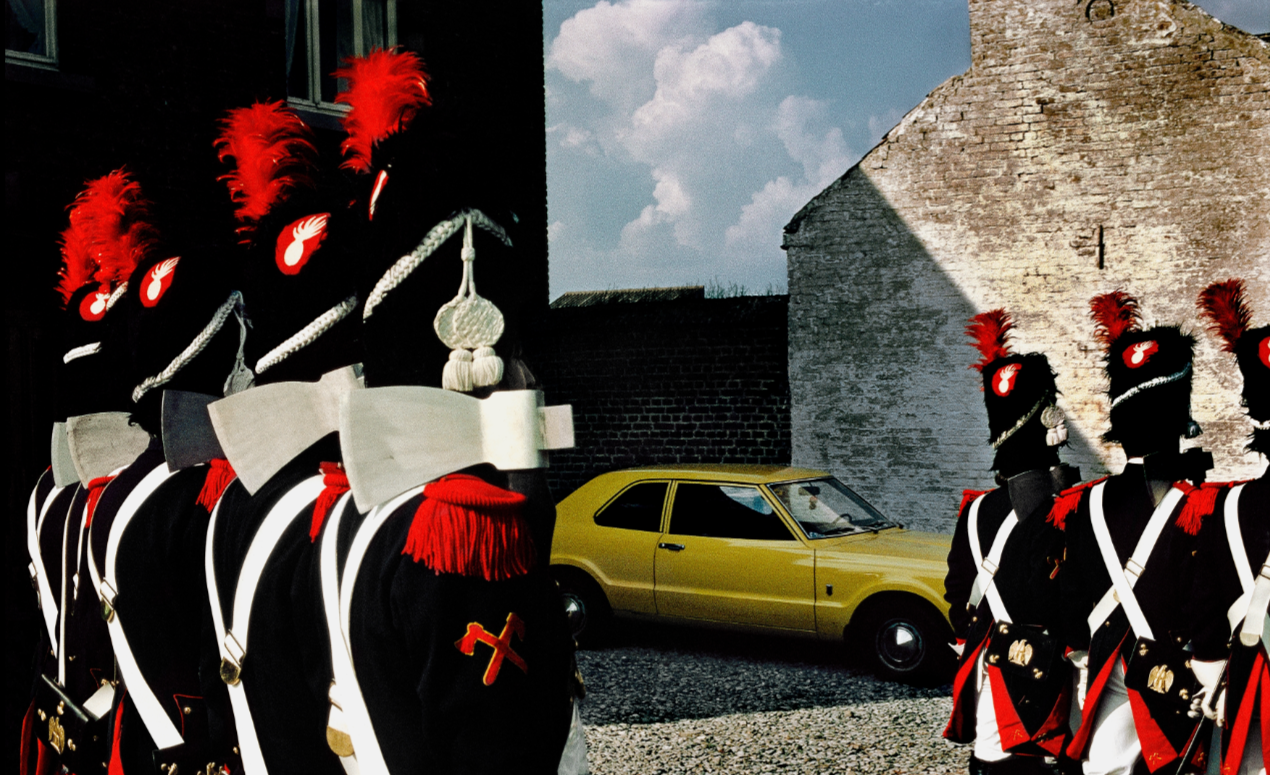
Harry Gruyaert, Waterloo, Belgio, 1981. Courtesy l'artista e della Galleria FIFTY ONE, Anversa.
Beyond the Icon: A Fresh Look at the Great Photographers of the 20th Century at Les Rencontres d’Arles
Les Rencontres d’Arles is a festival aimed at a knowledgeable audience but one that also attracts younger generations and enthusiasts of classic photography. Each year, it features exhibitions dedicated to the «giants» of photography, reinterpreting their work to highlight lesser-known aspects and offer new interpretations.
This year, the focus has been on figures of great significance, including Edward Steichen. The exhibition «The Nature of Edward Steichen» explores a little-known aspect of the photographer’s work: nature and his relationship with plants and flowers.
Originally a painter, Edward Steichen explored the painterly qualities of the image and the interplay between light and shadow through photography. In 1914, he won the gold medal for agriculture, and in his 1963 autobiography, he wrote that his research in horticulture was as important to him as photography. This research is expressed in The Shadblow Tree, where he studied the transformations of a sycamore tree for nearly ten years, photographing and filming it season after season. Nature becomes a continuous performance, captured moment by moment. «This tree is the symbol of everything that exists in nature; I consider it almost a human being», says the artist. Also on display are the video of the project and the Save Our Planet poster, created for Olivetti in 1971.
The exhibition, set in a pink space, also features black-and-white photographs of flowers that appear to be engraved like sculptures rather than photographs. The rich and nuanced range of grays lends the images such depth that the flowers appear on the verge of emerging from the photographic surface. Steichen thus renders a living yet abstract nature; while highlighting the precision of the flowers’ structures, he transforms the plant world into photographs chiseled into the paper. In addition to the flower photographs, the exhibition also features images taken by Steichen for fashion, in which orchids, lilacs, and delphiniums, his favorite flowers, appear alongside the models. He would later bring these works to an exhibition at MoMA in New York.
One hundred years after his birth, William Klein’s exhibition «This Way To Heaven» brings together much of his most important and iconic work. Having come to New York in 1954 to work as a graphic designer, after spending his formative years in Paris alongside Fernand Léger and Moholy-Nagy, Klein was an exceptional creative talent. This exhibition features his works on Muhammad Ali, Polly Maggio, and Mister Freedom. His films about these fictional and real-life characters are as caustic as they are visionary. Through colorful images and imaginary characters, they depict the problems the artist saw emerging in the United States. The false myths and the alienating spectacle of the mass media that began in the 1950s and continues to rage today. The exhibition unfolds in a three-dimensional manner, staging some of the people Klein photographed in front of the church altar where the exhibition is held. These life-size images seem to question us about our identity and our role in today’s society.
The third legendary figure to be featured in this year’s «Reinterpretations» section is Harry Gruyaert with «The Sense of Place». An absolute master of color and composition, with a style that belongs to a more advanced, and sadly bygone, era of classic analog photography, Gruyaert exhibits a series of photos from his travels. These are his cities: New York, Paris, Tokyo, Moscow, Antwerp, Mumbai, and Zanzibar, all treated in the same manner, characterized by perfect geometries and unexpected surprises. The intense, warm colors of Kodachrome film depict a world that no longer seems to exist, vibrant with colors and shadows, with urban geometries that define the space in perfect balance. The artist’s choice to use very large mat boards for her works is particularly interesting; they emphasize the format, making it almost panoramic, and create a rhythm depending on the color and position of the photograph within the frame. This adds another layer of movement to Gruyaert’s colorful world.
The work of American photographer Ming Sing, on the other hand, takes a very different approach, almost as if it were rooted within the artist’s own thoughts. As an African American woman observing her country, Sing presents a retrospective. In «Lueur Nomade», one senses the artist’s gaze resting on many different themes, such as New York jazz, which she has been photographing for many years and which resonates throughout the exhibition space. Even when she travels, Ming turns her gaze to places as diverse as Rome or Paris, which she does not view differently, but through her own lens. There are no homages or references, only the rhythm, that of jazz, marked by black-and-white photographs that transport the viewer far away yet keep them close to her. Ming alternates between photo manipulation techniques, double exposures, and self-portraits, creating a world where her gaze never loses sight of us.
The exhibition dedicated to reinterpreting the work of great artists concludes with Martine Barrat (1933), an artist with many lives. After a career as a dancer, cut short by an accident, she devoted herself to volunteer work with children on the Lower East Side and, later, documented the lives of New York gangs. In 1978, she received her first camera as a gift from the leader of the Roman Kings gang. Fascinated by the South Bronx neighborhood known as «Korea», so named because its residents had served as soldiers in that country, Barrat documented their lives, as well as those of the patrons of a boxing club. She always maintained an authentic perspective on the street, its codes, and its ways of life. Never moralistic, she becomes part of the neighborhoods she photographs, aware that, despite the harshness of the environment, their residents continue to live and love. For this reason, she portrays them with respect and dedication. She developed a close relationship with the fashion world; she was a childhood friend of Yves Saint Laurent, for whom she created the film «Woman in Sweater». But she never forgot her subjects. She had kids from Harlem wear Alaïa clothes and took kids from the Bronx to the beach before photographing them in Max Mara coats.
Once again this year, Les Rencontres d’Arles did not disappoint enthusiasts of more traditional photography, while also selecting visionary artists who, each in their own way, have redefined the rules of classical photography.
Carolina Sandretto, 07 luglio 2026 | © Riproduzione riservata