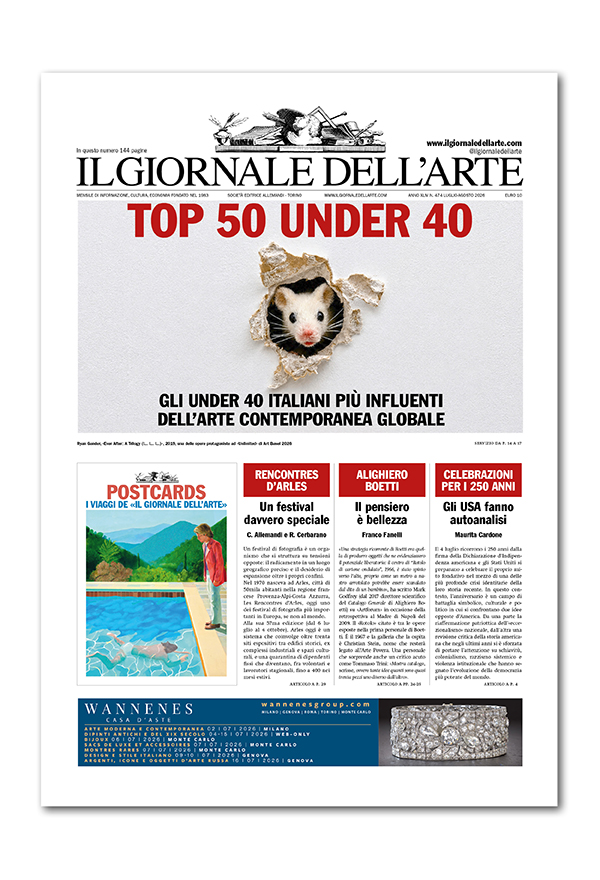
IL NUMERO DI LUGLIO-AGOSTO 2026 in edicola
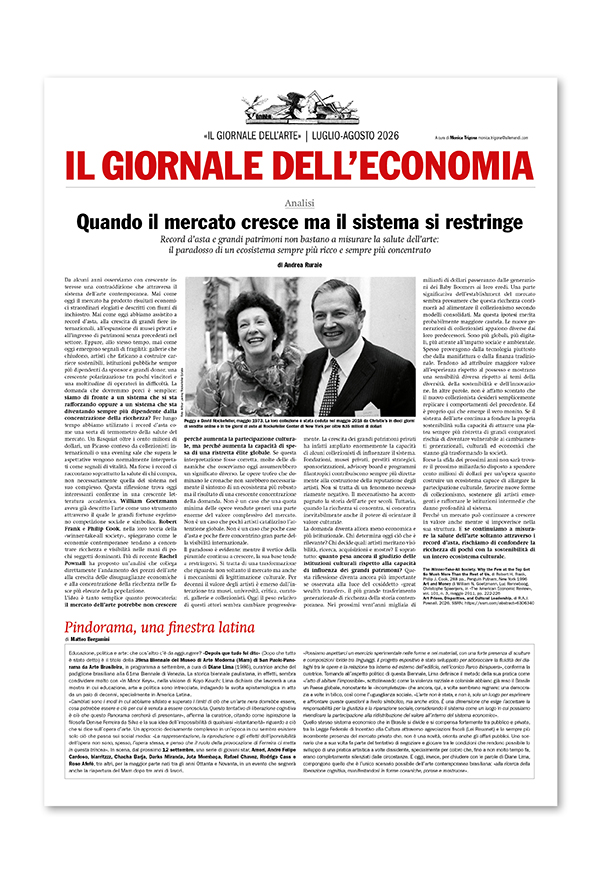
IL NUMERO DI LUGLIO-AGOSTO 2026 in edicola
IL NUMERO DI LUGLIO-AGOSTO 2026 in edicola
IL NUMERO DI LUGLIO-AGOSTO 2026 in edicola
IL NUMERO DI LUGLIO-AGOSTO 2026 in edicola
IL NUMERO DI LUGLIO-AGOSTO 2026 in edicola
IL NUMERO DI LUGLIO-AGOSTO 2026 in edicola
IL NUMERO DI LUGLIO-AGOSTO 2026 in edicola


Verifica le date inserite: la data di inizio deve precedere quella di fine


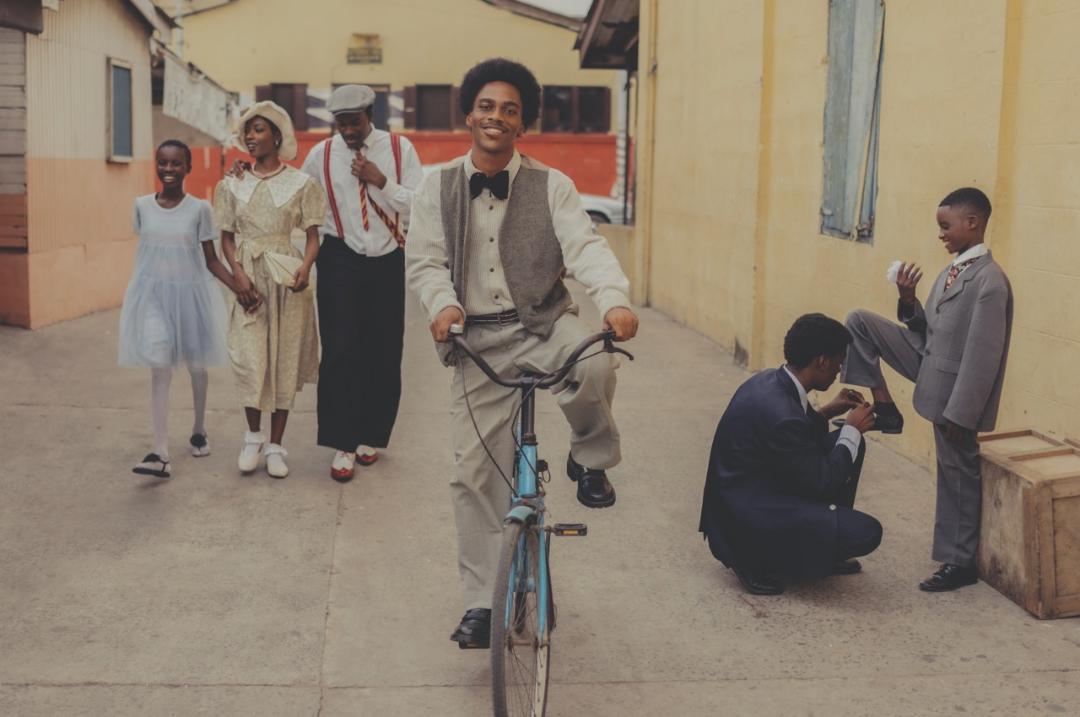
Carlos Idun-Tawiah, «Many Reasons to Live Again», 2022
Courtesy l’artista e Galería Alta
Partecipare a un festival di fotografia aumenta il valore di mercato di un artista?
Quando parliamo di questo format, l’aspetto economico resta spesso sullo sfondo. Ma è proprio così? Il caso dei Rencontres d’Arles come punto di osservazione
Rischa Paterlini
Leggi i suoi articoliLa fotografia non si afferma più solo in un luogo o attraverso un singolo passaggio decisivo. Oggi il riconoscimento di un autore si costruisce per accumulo, dentro una rete di relazioni, visibilità e legittimazioni in cui i festival hanno un peso sempre maggiore. Anche in Italia la loro geografia si è progressivamente ampliata. Accanto a manifestazioni ormai consolidate come Fotografia Europea, Cortona On The Move e PhEST, negli ultimi anni sono nate realtà come il Festival della Fotografia Italiana in Casentino, Gu.Pho a Guiglia e FASE-Festival di arti visive a Sud-Est. Un panorama che riflette un cambiamento più ampio: i festival non sono più semplicemente luoghi espositivi, ma piattaforme nelle quali si costruiscono relazioni e prende forma quella rete professionale dalla quale, sempre più spesso, prendono avvio le carriere.
La dimensione del fenomeno emerge con chiarezza dal Global Photography Festival Report, pubblicato dall’International Photography Festival Association, il primo studio che prova a mappare i festival fotografici su scala mondiale. Il rapporto censisce oltre mille festival, dei quali più di 700 attivi, distribuiti in 91 Paesi e oltre 500 città. La Francia è il Paese che ne ospita il maggior numero (149), seguita da Italia (83) e Spagna (83). A livello mondiale si organizzano ogni anno circa 31mila attività, si coinvolgono oltre 32mila artisti, si raggiungono quasi 9 milioni di visitatori in presenza e altri 6,6 milioni di utenti attraverso le proprie comunità digitali. Tra le 8mila e 12mila persone collaborano inoltre ogni anno alla realizzazione di questi eventi. Anche i dati economici sono significativi. Secondo il rapporto, i festival fotografici movimentano complessivamente circa 79 milioni di euro di budget annuali, generando un impatto economico locale stimato tra 69 e 98 milioni di euro, per un valore complessivo che può raggiungere i 163 milioni di euro. Più che una costellazione di iniziative indipendenti, costituiscono oggi una vera infrastruttura internazionale della fotografia. Il dato forse più interessante, tuttavia, non riguarda la dimensione economica, bensì la natura di queste organizzazioni. La maggior parte dei festival opera con strutture leggere, piccoli team e budget contenuti. Eppure, individua come propria missione il sostegno agli artisti, la costruzione di reti professionali, la ricerca curatoriale, la formazione del pubblico e la diffusione della cultura fotografica. Il mercato compare raramente tra gli obiettivi dichiarati.
Un secondo studio, Festivals in Context. The Role of the Arts in Local Cultural Policy, pubblicato dalla European Festivals Association e curato da Elena Polivtseva, introduce il concetto di «festivalisation»: i festival non sono più semplici eventi culturali, ma strumenti attraverso cui le città costruiscono identità, attraggono turismo e rafforzano il proprio posizionamento culturale. Il rapporto invita però anche a non valutarli soltanto in termini economici o di pubblico. Alcuni dei loro effetti più importanti, come la crescita degli artisti, la costruzione di reti professionali e la formazione del pubblico, sono difficilmente misurabili, ma rappresentano spesso il loro lascito più duraturo. I Rencontres d’Arles rappresentano probabilmente il caso più emblematico di questa evoluzione. Nato nel 1970, il festival accompagna da oltre mezzo secolo la storia della fotografia contemporanea ed è oggi uno dei principali punti di incontro del sistema internazionale. Ogni anno accoglie circa 150mila visitatori, presenta oltre 40 mostre diffuse nei principali spazi della città, opera con un budget superiore ai 7 milioni di euro, impiega circa 50 collaboratori permanenti e oltre 400 lavoratori stagionali. Più della metà delle risorse proviene da entrate proprie, un dato che testimonia la solidità economica raggiunta da una manifestazione nata come iniziativa culturale e diventata, nel tempo, una vera istituzione internazionale. Alla domanda se un passaggio ad Arles possa cambiare la carriera di un fotografo e incidere anche sul suo valore di mercato, il direttore del festival, Christoph Wiesner, risponde senza esitazioni: «Sì, essere esposti ad Arles può influire su una traiettoria. Facciamo parte di un ecosistema: istituzioni, gallerie, collezionisti, fiere, editori, critici, pubblico. La visibilità che offriamo può aprire delle porte ed è evidente che, per alcuni fotografi, può avere anche un’influenza sul mercato e sui prezzi. Ma non è mai questo il nostro punto di partenza: il nostro ruolo è innanzitutto difendere un’opera, darle un contesto, dedicarle attenzione». Nel corso dei decenni il festival ha accompagnato le traiettorie di autori che hanno ridefinito il linguaggio fotografico contemporaneo, da Nan Goldin, oggi rappresentata da Gagosian, a Martin Parr e Sophie Calle solo per citarne alcuni. Un percorso che mostra come il riconoscimento critico e quello di mercato finiscano spesso poi per alimentarsi reciprocamente.
Questa vocazione trova espressione anche nel Discovery Award Louis Roederer Foundation, il principale riconoscimento dedicato ai talenti emergenti del festival. La sua particolarità è che non sono gli artisti a candidarsi direttamente, ma gallerie, fondazioni, centri d’arte e istituzioni a proporli. Il premio riconosce così non solo il fotografo, ma anche la realtà che ne ha sostenuto il percorso, restituendo l’idea che una carriera si costruisca attraverso una rete di relazioni più che attraverso un singolo episodio di successo. Una lettura condivisa anche da Pancho Saula, che insieme a Michelle Ferrara ha fondato nel 2021 Galleria Alta, la galleria che ha scoperto e oggi rappresenta Carlos Idun-Tawiah, autore dell’immagine ufficiale di Arles 2026. «Les Rencontres d’Arles sono il festival di riferimento mondiale, ma la loro importanza per un fotografo va capita su piani distinti. Sul piano critico e istituzionale, Arles funziona come un’istanza di canonizzazione: ogni mostra risponde a una decisione editoriale, non commerciale. Essere selezionati è una validazione critica, non un atto di mercato. Sul piano della rete professionale, ciò che è davvero decisivo accade nella settimana di apertura, quando si riunisce fisicamente buona parte del mondo della fotografia come direttori di musei, galleristi, editori, collezionisti internazionali. È uno dei pochi momenti dell'anno in cui tutta questa rete si trova nello stesso posto nello stesso momento: lì si generano acquisizioni, rappresentanze, contratti, scoperte. Sul piano del mercato, sebbene Arles non venda opere, l’esposizione ha un effetto di trasferimento sul valore: una mostra ben accolta eleva il profilo dell’artista e con esso la sua quotazione».
Proprio per questo il rapporto tra festival e mercato apre oggi una questione che non si può ignorare. Cresce il numero di festival acquisiti da fondi di private equity, interessati a trasformare la cultura in un asset economico: aumento del prezzo dei biglietti, algoritmi che orientano la programmazione, monetizzazione dei dati, pressione commerciale crescente. Dinamiche che per ora riguardano soprattutto il settore musicale, ma che il mondo della fotografia farebbe bene a osservare con attenzione. Proprio perché i festival fotografici sono diventati uno dei luoghi in cui si costruisce il riconoscimento degli artisti sul piano critico, professionale e di mercato, preservarne l’autonomia curatoriale significa preservare la qualità dell’intero sistema. La sfida non è smettere di crescere. È crescere senza cedere quella libertà curatoriale che ha reso i festival uno dei motori più vitali della fotografia contemporanea e senza dimenticare che è proprio quella libertà, paradossalmente, a garantire il valore di ciò che il mercato poi riconosce.
Does taking part in a photography festival increase an artist’s market value?
Photography no longer establishes itself solely in one place or through a single decisive moment. Today, an artist’s recognition is built up gradually, within a network of relationships, visibility and validation, in which festivals play an increasingly significant role. In Italy, too, the geographical spread of these festivals has gradually expanded. Alongside well-established events such as Fotografia Europea, Cortona On The Move and PhEST, recent years have seen the emergence of initiatives such as the Festival della Fotografia Italiana in Casentino, Gu.Pho in Guiglia and FASE-Festival of Visual Arts in the South-East. This landscape reflects a broader shift: festivals are no longer simply exhibition spaces, but platforms where relationships are forged and the professional network takes shape, a network from which, increasingly often, careers begin.
The scale of the phenomenon is clearly illustrated by the Global Photography Festival Report, published by the International Photography Festival Association, the first study to attempt to map photography festivals on a global scale. The report lists over a thousand festivals, of which more than 700 are active, spread across 91 countries and over 500 cities. France is the country hosting the largest number (149), followed by Italy (83) and Spain (83). Globally, around 31,000 events are organised each year, involving over 32,000 artists and reaching nearly 9 million visitors in person, as well as a further 6.6 million users through their digital communities. Between 8,000 and 12,000 people also collaborate each year on the organisation of these events. The economic figures are also significant. According to the report, photography festivals generate a total annual budget of around 79 million euros, creating an estimated local economic impact of between 69 and 98 million euros, for a total value that can reach 163 million euros. Rather than a constellation of independent initiatives, they now constitute a genuine international infrastructure for photography. Perhaps the most interesting finding, however, does not concern the economic dimension, but rather the nature of these organisations. Most festivals operate with lean structures, small teams and modest budgets. Yet they define their mission as supporting artists, building professional networks, conducting curatorial research, educating the public and promoting photographic culture. The market rarely features among their stated objectives.
A second study, Festivals in Context. The Role of the Arts in Local Cultural Policy, published by the European Festivals Association and edited by Elena Polivtseva, introduces the concept of «festivalisation»: festivals are no longer merely cultural events, but tools through which cities build identity, attract tourism and strengthen their cultural standing. The report, however, also urges us not to assess them solely in economic or audience terms. Some of their most significant effects, such as the development of artists, the building of professional networks and the cultivation of audiences, are difficult to measure, yet they often represent their most enduring legacy. The Rencontres d’Arles is probably the most emblematic example of this evolution. Founded in 1970, the festival has been a part of the history of contemporary photography for over half a century and is now one of the main meeting points within the international art scene. Every year it welcomes around 150,000 visitors, presents over 40 exhibitions spread across the city’s main venues, operates on a budget of over 7 million euros, and employs around 50 permanent staff and over 400 seasonal workers. More than half of its funding comes from its own revenue, a figure that testifies to the financial stability achieved by an event that began as a cultural initiative and has, over time, become a true international institution. When asked whether a appearance at Arles could change a photographer’s career and also affect their market value, the festival’s director, Christoph Wiesner, replies without hesitation: «Yes, being exhibited at Arles can influence a career path. We are part of an ecosystem: institutions, galleries, collectors, fairs, publishers, critics and the public. The visibility we offer can open doors, and it is clear that, for some photographers, it can also influence the market and prices. But this is never our starting point: our role is, first and foremost, to champion a work, provide it with context and give it our full attention». Over the decades, the festival has supported the careers of artists who have redefined the language of contemporary photography, from Nan Goldin, now represented by Gagosian, to Martin Parr and Sophie Calle, to name but a few. This journey demonstrates how critical acclaim and market recognition often end up feeding into one another.
This ethos is also reflected in the Louis Roederer Foundation Discovery Award, the festival’s leading award for emerging talent. What sets it apart is that it is not the artists themselves who apply directly, but galleries, foundations, art centres and institutions that nominate them. The prize thus recognises not only the photographer but also the organisation that has supported their career, reinforcing the idea that a career is built through a network of relationships rather than through a single successful endeavour. This view is shared by Pancho Saula, who, together with Michelle Ferrara, founded Galleria Alta in 2021, the gallery that discovered and now represents Carlos Idun-Tawiah, creator of the official image for Arles 2026. «Les Rencontres d’Arles is the world’s leading festival, but its importance for a photographer must be understood on different levels. On a critical and institutional level, Arles functions as an institution of canonisation: every exhibition is the result of an editorial, rather than a commercial, decision. Being selected is a form of critical validation, not a market-driven act. In terms of professional networking, what is truly decisive happens during the opening week, when a large part of the photography world, including museum directors, gallery owners, publishers and international collectors, gathers in person. It is one of the few moments of the year when this entire network finds itself in the same place at the same time: it is there that acquisitions, representation deals, contracts and discoveries take place. From a market perspective, although Arles does not sell works, the exhibition has a spillover effect on value: a well-received exhibition raises the artist’s profile and, with it, their market value».
Precisely for this reason, the relationship between festivals and the market now raises an issue that cannot be ignored. The number of festivals acquired by private equity funds, interested in transforming culture into an economic asset, is growing: this brings with it rising ticket prices, algorithms guiding programming, the monetisation of data, and increasing commercial pressure. These dynamics currently affect the music sector in particular, but the world of photography would do well to observe them closely. Precisely because photography festivals have become one of the key venues for building artists’ recognition on a critical, professional and market level, preserving their curatorial autonomy means preserving the quality of the entire system.
The challenge is not to stop growing. It is to grow without relinquishing the curatorial freedom that has made festivals one of the most vital driving forces behind contemporary photography – and without forgetting that it is precisely that freedom, paradoxically, which guarantees the value of what the market subsequently recognises.
Rischa Paterlini, 02 luglio 2026 | © Riproduzione riservata