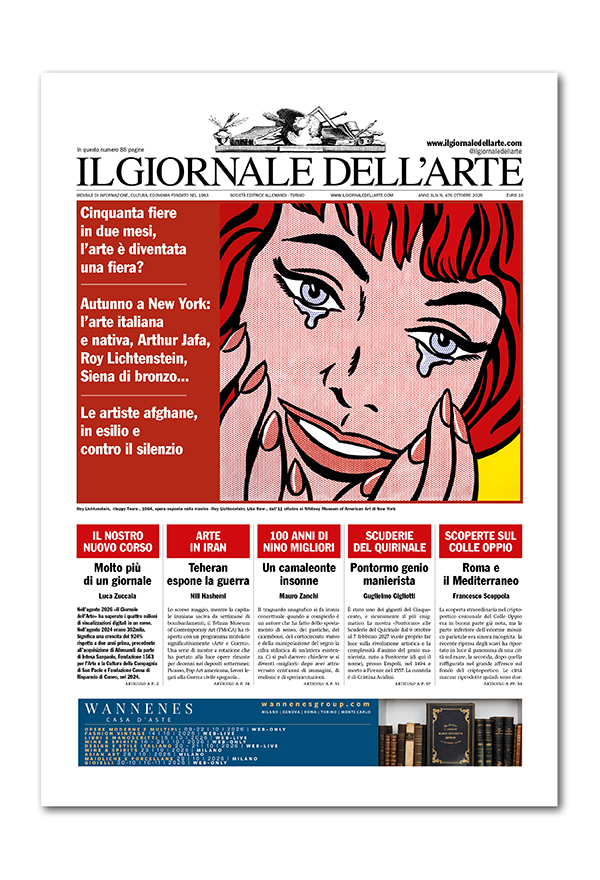
IL NUMERO DI OTTOBRE 2026 in edicola
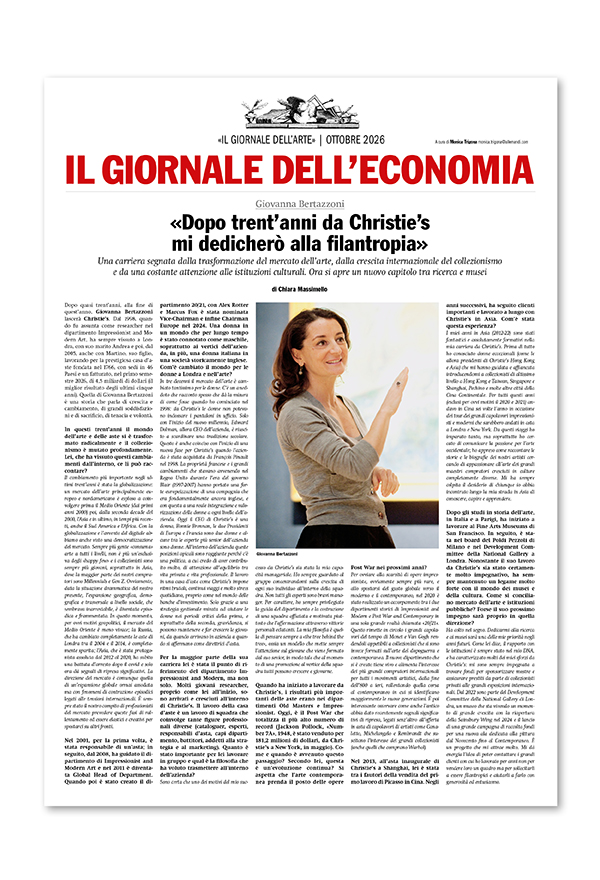
IL NUMERO DI OTTOBRE 2026 in edicola
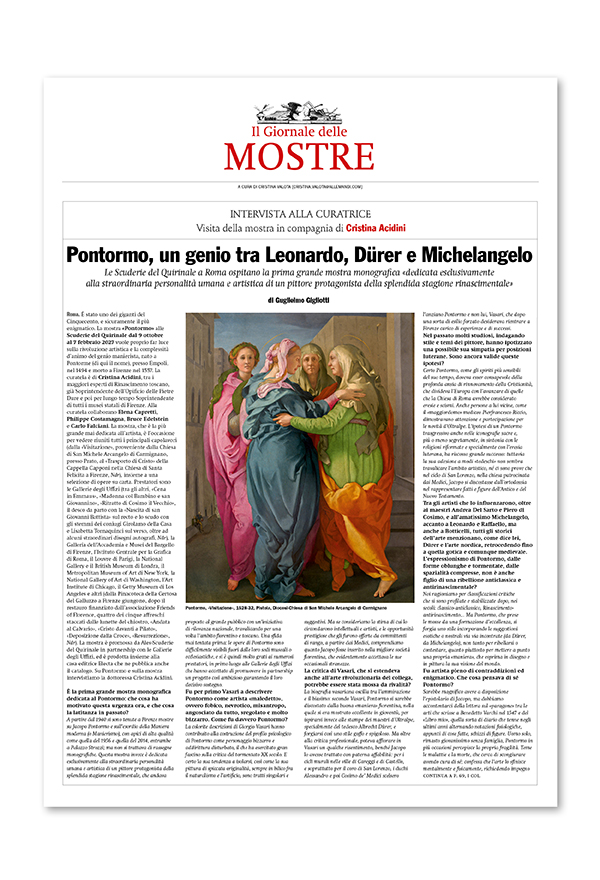
IL NUMERO DI OTTOBRE 2026 in edicola
IL NUMERO DI OTTOBRE 2026 in edicola
IL NUMERO DI OTTOBRE 2026 in edicola
IL NUMERO DI OTTOBRE 2026 in edicola


Verifica le date inserite: la data di inizio deve precedere quella di fine


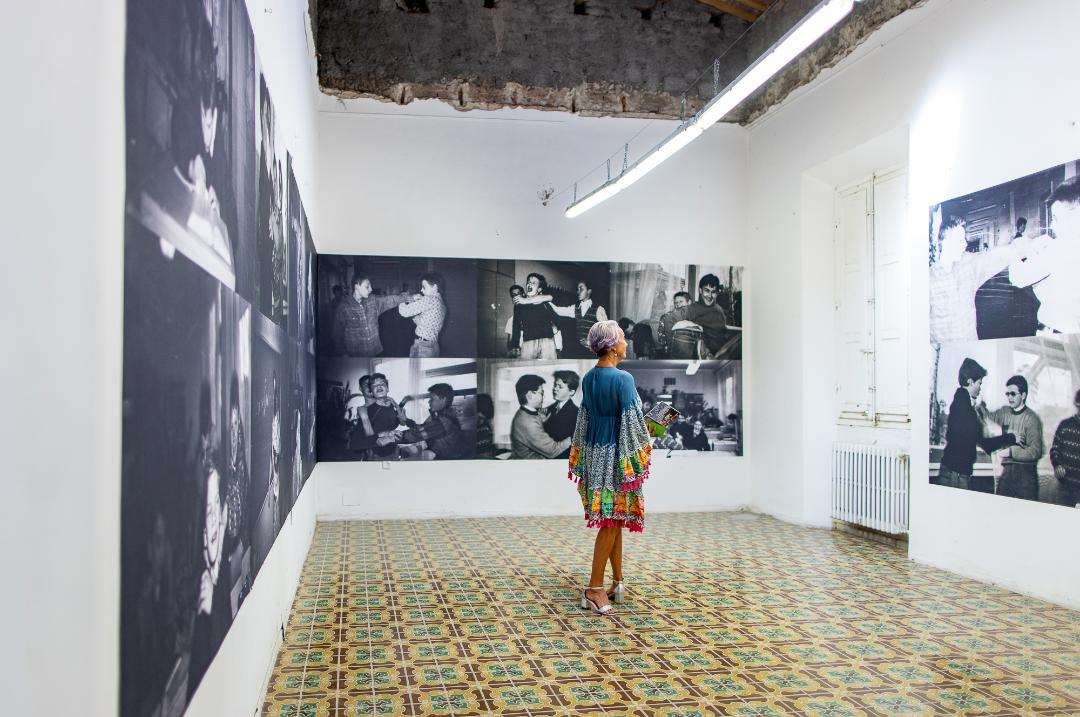
SI Fest, il festival più longevo d’Italia, mostra di Ivars Gravlejs
L’epidemia dei photo festival: un fenomeno tutto italiano
Negli ultimi anni questo format è cresciuto rapidamente perché rappresenta una forma culturale economica e flessibile, capace di supplire alla carenza di istituzioni dedicate alla fotografia contemporanea, ma al tempo stesso testimonia la vitalità del settore e la sua fragilità
Luca Fiore
Leggi i suoi articoliPanama, bermuda di lino, una borsa di tela con il nome di un editore. Ad Arles gli italiani li riconosci subito. Curatori, galleristi, photo editor. Sono tanti e spesso chiassosi. Potrei essere io, mentre cammino con loro lungo i vicoli roventi del borgo, dentro il padre di tutti i festival: Les Rencontres de la Photographie. Per qualcuno è un sogno, per altri un modello, per altri ancora il realizzarsi dell’incubo della gentrificazione.
Quando gli italiani di Arles rientrano, ad aspettarli c’è un’ottantina di festival di fotografia. Il dato sorprende. Sorprende di più la cronologia: non è una tradizione, è un’ondata. Oltre un terzo di quei festival è nato negli ultimi quattro anni. Solo il 2022 ne ha prodotti cinque. Trent’anni fa di festival di fotografia in Italia ce n’era uno.
La mappa è eloquente quanto il numero. Accanto ai pochi nomi storici, il SI FEST di Savignano sul Rubicone (1992), Fotografia Europea a Reggio Emilia (2006), Cortona On The Move (2011), Photolux a Lucca (2005, già Lucca Photo Fest), la geografia recente si sparpaglia nelle province, con una quota crescente al Sud: il Fotografia Calabria Festival a San Lucido, Yeast in Salento, Molichrom in Molise, Gibellina PhotoRoad nel Belice.
C’è una ragione, e sta nella natura della cosa. Il festival fotografico è l’infrastruttura culturale più leggera che esista. Non chiede collezioni, non chiede edifici, non chiede conservazione: chiede un centro storico e qualche muro. Per questo attecchisce nei borghi, dove diventa strumento di politica territoriale, voce di bilancio, ragione per cui un sindaco programma un’estate. E intanto assorbe funzioni che altrove restano separate: espone, forma, finanzia, mette in contatto, fa scouting. Museo, scuola, fondazione e mercato in un solo weekend inaugurale. Il modello si replica per imitazione: ogni nuovo festival abbassa il costo del successivo. Se ce la fa Matino, ce la può fare il paese accanto. È la stessa logica che da vent’anni produce festival di tutto, la letteratura a Mantova, la filosofia a Modena. La fotografia ci è salita sopra per ultima.
Questa leggerezza diventa irresistibile in un Paese in cui la fotografia non ha quasi mai avuto istituzioni stabili a farsene carico. Camera-Centro Italiano per la Fotografia di Torino, Gallerie d’Italia, Munaf-Museo Nazionale della Fotografia, il MaXXI sono realtà consolidate, ma nelle quali faticano ad entrare le pratiche contemporanee e più sperimentali. Dove manca il museo, dove manca la collezione permanente, dove manca la cattedra, il festival è la forma con cui la cultura fotografica prova a esistere lo stesso. Non l’edificio: l’evento. Non la conservazione: l’estate.
Verrebbe da pensare ai soldi pubblici. Sbagliato. «Strategia Fotografia», il principale fondo nazionale del Ministero destinato al settore, ai festival ha destinato circa il 6% delle sue risorse (quasi 600mila euro su quasi 10 milioni) e in due edizioni su cinque non ne ha finanziato nessuno. Il grosso è andato ad acquisizioni per le collezioni pubbliche. L’ondata non l’ha accesa lo Stato. Cresce dal basso, sui bilanci dei Comuni e sul lavoro volontario.
Un’ottantina di festival è il segno di un Paese che ama la fotografia, o di un Paese che non ha saputo dove ospitarla? Le due cose non si escludono.
Due voci recenti dicono la difficoltà di leggere questo momento. François Hébel, che Arles l’ha diretta per oltre dieci anni e che oggi guida Camera, sostiene che la fotografia in Italia non è mai stata così bene: pubblico attento, un fermento nuovo. Renata Ferri, che quest’estate prende le redini di Cortona On The Move, fotografa l’altro lato: «Nella mappa fotografica internazionale, la fotografia italiana è praticamente inesistente». Hanno ragione tutti e due. Guardano la stessa cosa da due lati: Hébel la salute interna, Ferri il riconoscimento che non arriva da fuori. La vitalità e l’invisibilità, insieme.
La stessa fotografia ammette due didascalie. Nella prima, l'ottantina di festival sono ciò che cresce nel vuoto: mancando la casa grande, ci si arrangia con tante case piccole. Nella seconda, sono il segno opposto: un Paese che non ha mai avuto una capitale culturale a schiacciare le altre, cento campanili con identità forte, l’energia che si distribuisce per indole e non per difetto. La dispersione come ferita, o la dispersione come forma. Le due cose, anche qui, convivono.
Non tutti i festival, del resto, sono uguali. Quelli di peso, con un respiro davvero internazionale, si contano sulle dita di una mano. E allora la domanda vera è un’altra: all’Italia serve che uno di questi storici cominci davvero a competere con Arles, o che si alzi la media di tutti gli altri, quelli periferici? Far crescere una testa, o far salire il livello del fondo.
Nel frattempo il rischio è che i festival continuino a moltiplicarsi senza che nessuno si accorga che la forma-festival comincia a invecchiare, e senza che nessuno abbia più l’energia di immaginare una forma nuova per far circolare la fotografia. Eppure l’Italia è un Paese che le forme le ha inventate: la partita doppia, la cambiale, il museo stesso. Forse la prossima Arles non sarà un’altra Arles. Forse sarà qualcosa che non sappiamo ancora come chiamare.
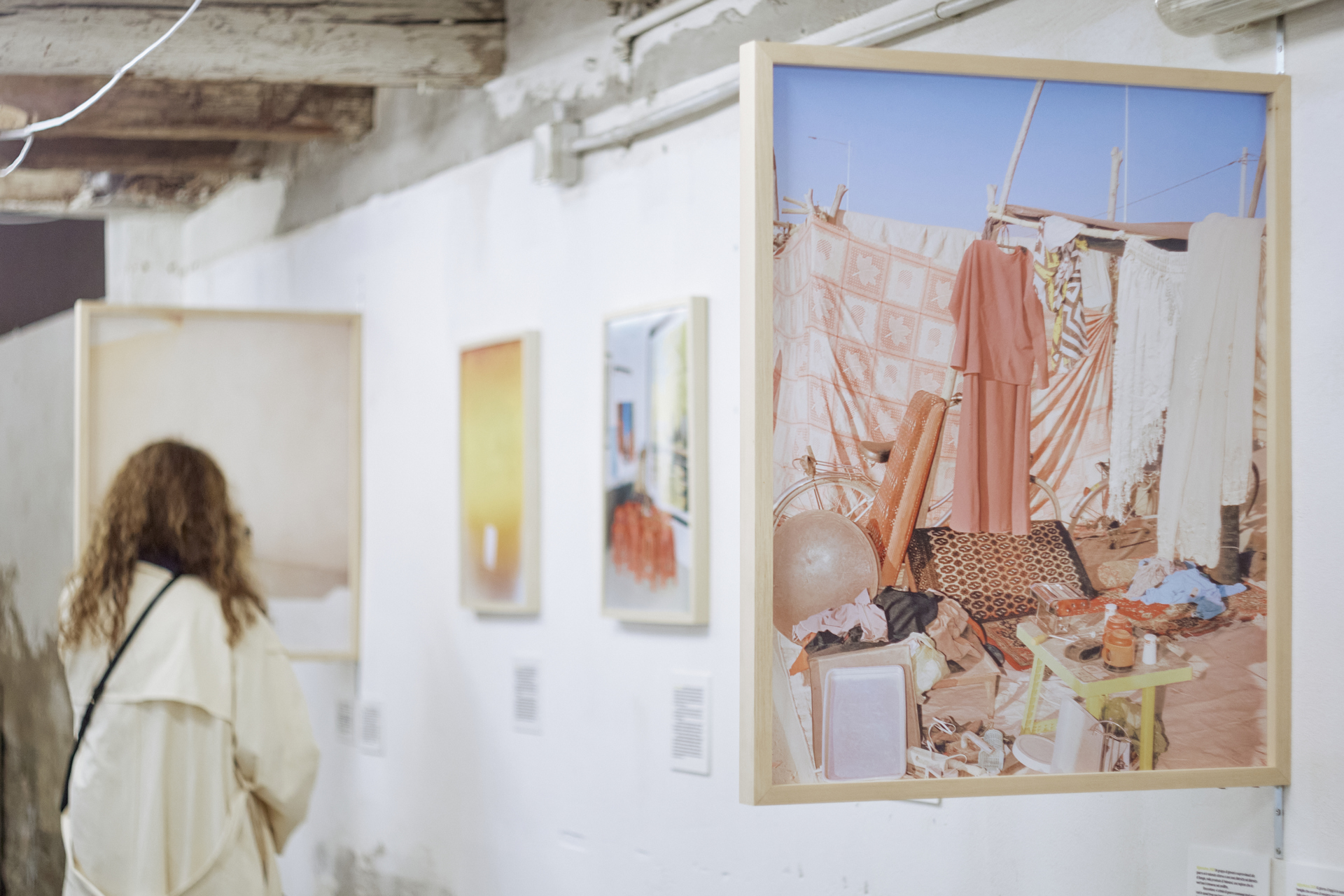
SI Fest, il festival più longevo d’Italia, mostra di Hashem Shakeri
The «photo festival» craze: a uniquely Italian phenomenon
A Panama hat, linen Bermuda shorts, a canvas bag bearing the name of a publisher. In Arles, you spot the Italians straight away. Curators, gallery owners, photo editors. There are plenty of them, and they’re often boisterous. It could be me, walking with them through the sweltering alleyways of the old town, at the heart of the festival of all festivals: Les Rencontres de la Photographie. For some it’s a dream, for others a model to follow, and for others still the realisation of the nightmare of gentrification.
When the Italians in Arles return home, some eighty photography festivals await them. The figure is surprising. Even more surprising is the timeline: it’s not a tradition, it’s a wave. Over a third of those festivals have sprung up in the last four years. In 2022 alone, five were launched. Thirty years ago, there was just one photography festival in Italy.
The map speaks as volumes as the figures do. Alongside the few historic names, SI FEST in Savignano sul Rubicone (1992), Fotografia Europea in Reggio Emilia (2006), Cortona On The Move (2011) and Photolux in Lucca (2005, formerly Lucca Photo Fest), the recent landscape is scattered across the provinces, with a growing presence in the South: the Fotografia Calabria Festival in San Lucido, Yeast in Salento, Molichrom in Molise, and Gibellina PhotoRoad in the Belice area.
There is a reason for this, and it lies in the very nature of the event. The photography festival is the lightest form of cultural infrastructure that exists. It requires no collections, no buildings, no conservation: it requires a historic centre and a few walls. This is why it takes root in villages, where it becomes a tool of regional policy, a budget item, and the reason why a mayor plans a summer’s programme. And in the process, it absorbs functions that elsewhere remain separate: it exhibits, educates, funds, connects people, and scouts talent. A museum, a school, a foundation and a market, all in a single opening weekend. The model is replicated by imitation: each new festival brings down the cost of the next one. If Matino can do it, so can the neighbouring village. It is the same logic that for twenty years has been producing festivals of all kinds – literature in Mantua, philosophy in Modena. Photography was the last to jump on the bandwagon.
This light-hearted approach becomes irresistible in a country where photography has almost never had stable institutions to take it on board. Camera-Centro Italiano per la Fotografia in Turin, Gallerie d’Italia, Munaf-Museo Nazionale della Fotografia, and MaXXI are well-established institutions, but contemporary and more experimental practices struggle to gain a foothold within them. Where there is no museum, no permanent collection, no academic chair, the festival is the form through which photographic culture attempts to exist nonetheless. Not the building: the event. Not conservation: the summer.
One might be tempted to think of public funds. Wrong. «Strategia Fotografia», the Ministry’s main national fund for the sector, has allocated around 6 per cent of its resources to festivals (almost 600,000 euros out of nearly 10 million) and, in two out of five editions, has not funded and at all. The bulk has gone towards acquisitions for public collections. The wave was not sparked by the State. It is growing from the bottom up, on municipal budgets and through voluntary work.
Is a figure of around eighty festivals a sign of a country that loves photography, or of a country that has failed to find a place for it? The two are not mutually exclusive.
Two recent voices highlight the difficulty of interpreting the current situation. François Hébel, who directed the Arles Festival for over ten years and now heads Camera, argues that photography in Italy has never been in such good shape: an engaged audience, a new sense of vitality. Renata Ferri, who is taking the reins of Cortona On The Move this summer, captures the other side: «On the international photographic map, Italian photography is practically non-existent». They are both right. They are looking at the same thing from two angles: Hébel at its internal health, Ferri at the lack of recognition from outside. Vitality and invisibility, all at once.
The same photograph invites two captions. In the first, those roughly eighty festivals are what has grown in the void: in the absence of one great home, people make do with many smaller ones. In the second, they signify the opposite: a country that has never had a single cultural capital overshadowing all the others, but rather a hundred bell towers, each with a strong identity, where creative energy is dispersed by temperament rather than by necessity. Dispersion as a wound, or dispersion as a form. Here, too, the two coexist.
Not all festivals, after all, are the same. The major ones, with a truly international scope, can be counted on the fingers of one hand. And so the real question is another: does Italy need one of these historic festivals to truly begin competing with Arles, or does it need to raise the standard of all the others, the peripheral ones? To stand out at the top, or to raise the standard across the board.
In the meantime, the risk is that festivals will continue to multiply without anyone realising that the «festival» format is beginning to show its age, and without anyone having the energy left to imagine a new format for promoting photography. And yet Italy is a country that has invented such forms: double-entry bookkeeping, the bill of exchange, the museum itself. Perhaps the next Arles won’t be just another Arles. Perhaps it will be something we don’t yet know how to name.
Luca Fiore, 01 luglio 2026 | © Riproduzione riservata