

IL NUMERO DI MARZO 2026 in edicola
IL NUMERO DI MARZO 2026 in edicola
IL NUMERO DI MARZO 2026 in edicola
IL NUMERO DI MARZO 2026 in edicola
IL NUMERO DI MARZO 2026 in edicola
IL NUMERO DI MARZO 2026 in edicola
IL NUMERO DI MARZO 2026 in edicola
IL NUMERO DI MARZO 2026 in edicola


Verifica le date inserite: la data di inizio deve precedere quella di fine


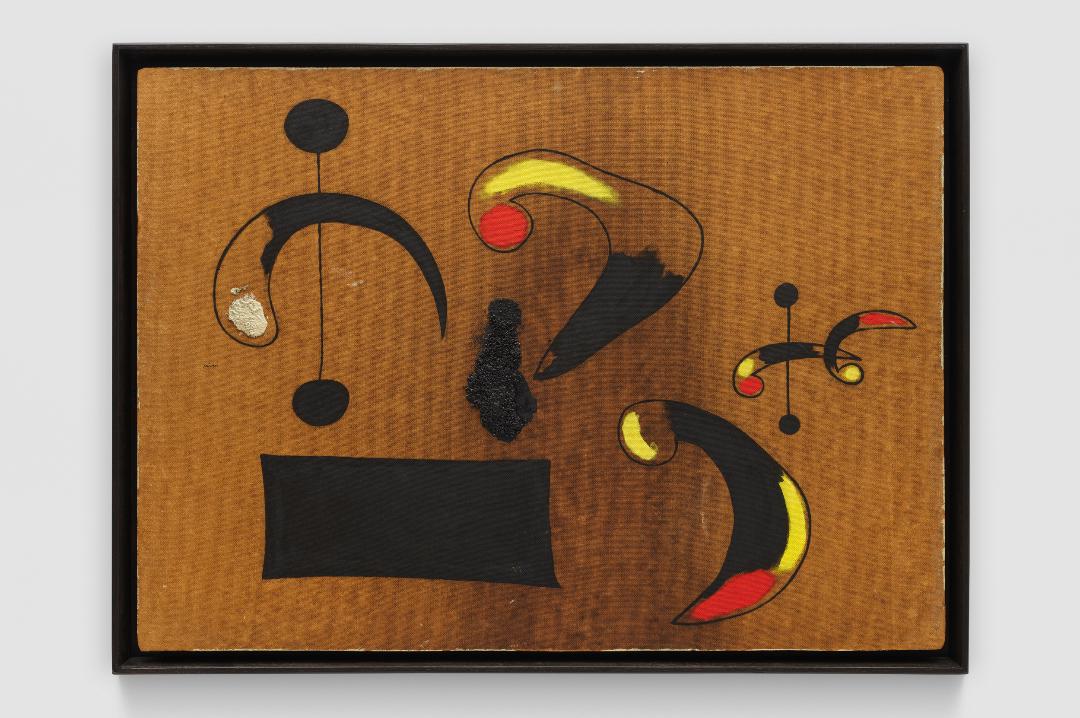
Joan Miró, Peinture, 1936
© Successió Miró / Artists Rights Society (ARS), New York / ADAGP, Paris 2026
Joan Mirò e Rene Richard a St. Moritz. Le parole di Vito Schnabel
Nella sede della Vito Schnabel Gallery a St. Moritz le opere su masonite di Mirò e i dipinti di Rene Richard
Silvia Conta
Leggi i suoi articoliUn’avventura iniziata nel 2015 e oggi uno degli attori principali della scena del contemporaneo di St. Moritz: è la sede svizzera della Vito Schnabel Gallery, fondata a New York nel 2013 e presente alle fiere internazionali più prestigiose, tra cui Frieze Masters (2025), Art Basel Miami Beach (2023) e Art Basel nella sezione Unlimited (2021).
Il gallerista ha raccontato a Il Giornale dell’Arte la scelta di aprire una sede in una delle località più note per il turismo d’élite internazionale, legata più a lunga storia amicizia, che a una strategia commerciale: «Cercavo uno spazio fuori New York dove aprire la mia seconda galleria. Avevo trascorso molto tempo a Zurigo e St. Moritz con Bruno Bischofberger e avevo un rapporto speciale con l'Engadina. Nel 2015 Bruno mi ha offerto il suo spazio e io l'ho preso (la sede della galleria Bruno Bischofnerg si trova oggi a Männedorf, a pochi chilometri da Zurigo, ndr). Abbiamo inaugurato la galleria con una mostra di Urs Fischer, dedicata a Bruno e a sua moglie Yoyo, con un ritratto a grandezza naturale dei due realizzato con candele accese per tutta la durata della mostra. È stato un bellissimo omaggio cerimoniale e un passaggio di testimone dello spazio. In concomitanza con la nostra mostra di Fischer, abbiamo anche presentato un'installazione all'aperto di STOVES di Sterling Ruby, dall'altra parte della strada, al Kulm Hotel. Sono stati dieci anni fantastici, ho avuto l'opportunità di presentare mostre incredibili, da Dan Flavin a Pat Steir, Markus Lüpertz, Angel Otero, Francesco Clemente e ora Miró».
La galleria, affacciata su Via Maistra, è uno spazio intimo su due livelli, dove sono ora in corso due mostre (entrambe fino al 4 aprile 2026): “Joan Mirò: The Assassination of Painting”, che offre la rara occasione di vedere raccolte insieme opere della serie dipinta dall’artista spagnolo su masonite, e “Rene Ricard: and if you arrive, do you know you are there?”, che, inaugurata a fine 2025, è l’ultimo atto delle celebrazioni per i dieci anni della sede.
La prima riunisce sette rare opere della celebre serie dei dipinti su masonite, che Miró realizza in Spagna durante l'estate del 1936. «Iniziata pochi giorni prima dello scoppio della guerra civile spagnola, la serie è ampiamente considerata come una delle opere più importanti della carriera di Miró, rappresentando un momento cruciale di rottura e transizione: furono le ultime opere che Miró realizzò in Spagna prima di fuggire a Parigi», ha sottolineato la galleria. Le opere di questa serie sono state esposte al MoMA di New York, alla Tate Modern di Londra, all'Art Institute di Chicago e alla Fundació Joan Miró di Barcellona. La loro importanza risiede, in particolare, nell’incarnare la massima espressione della provocazione lanciata quasi un decennio prima dall’artista, quando, nel 1927, dichiarò pubblicamente la sua intenzione di “assassinare la pittura”. In queste opere Mirò applica la materia pittorica direttamente sui pannelli in masonite (un materiale industriale in fibre di legno compresse inventato nel 1924 e impiegato nell’edilizia), la cui superficie, visivamente irregolare, diventa parte integrante dell’opera ed è percorso da fome definite da linee nere continue parzialmente riempite di colore, in una composizione molto materica realizzata con colori a olio, caseina, catrame e sabbia, che trasmette un senso d'urgenza espressiva e profonda irrequietezza.
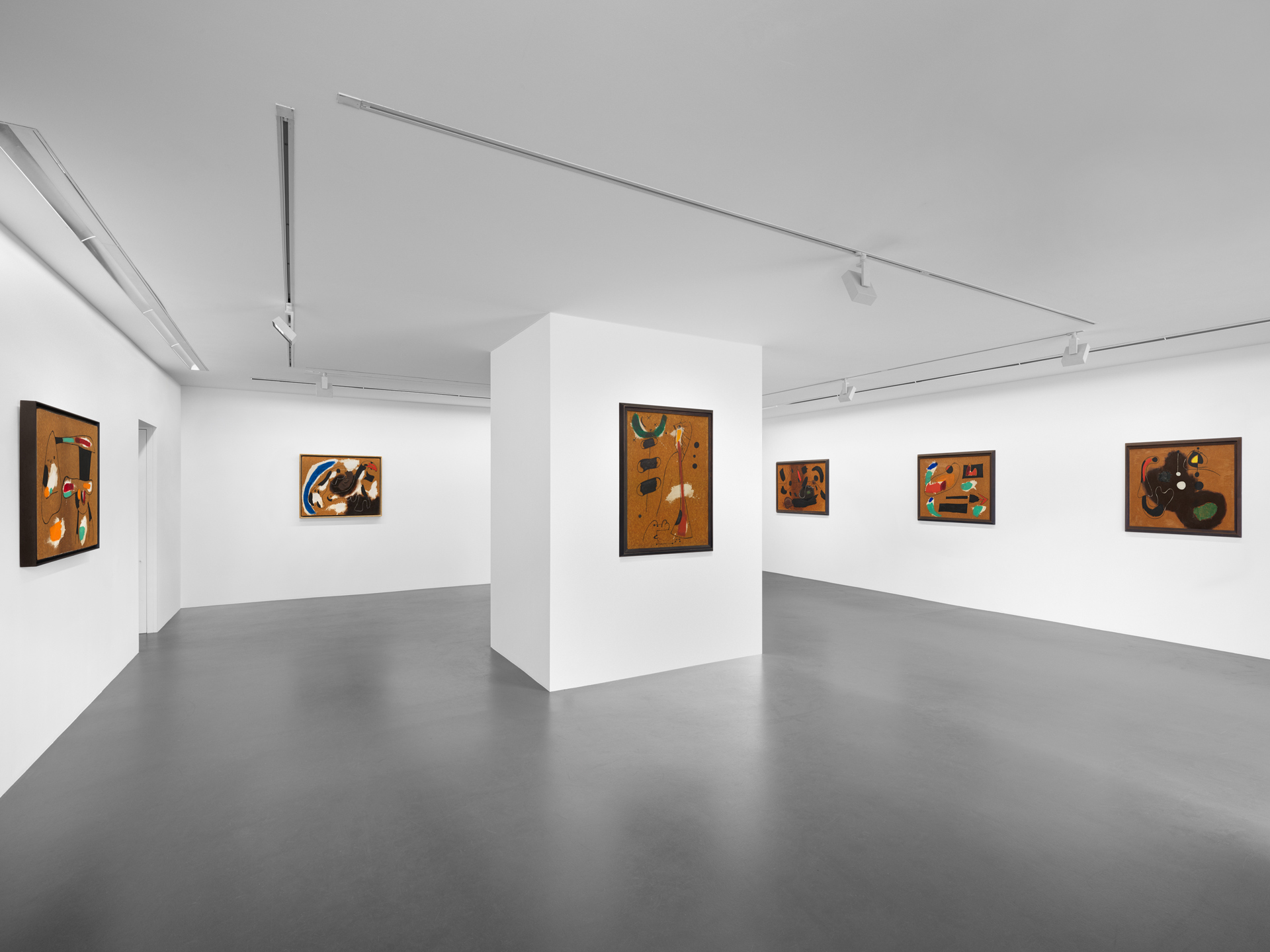
Joan Miro, The Assassination of Painting, Vito Schnabel Gallery, St. Moritz 2026
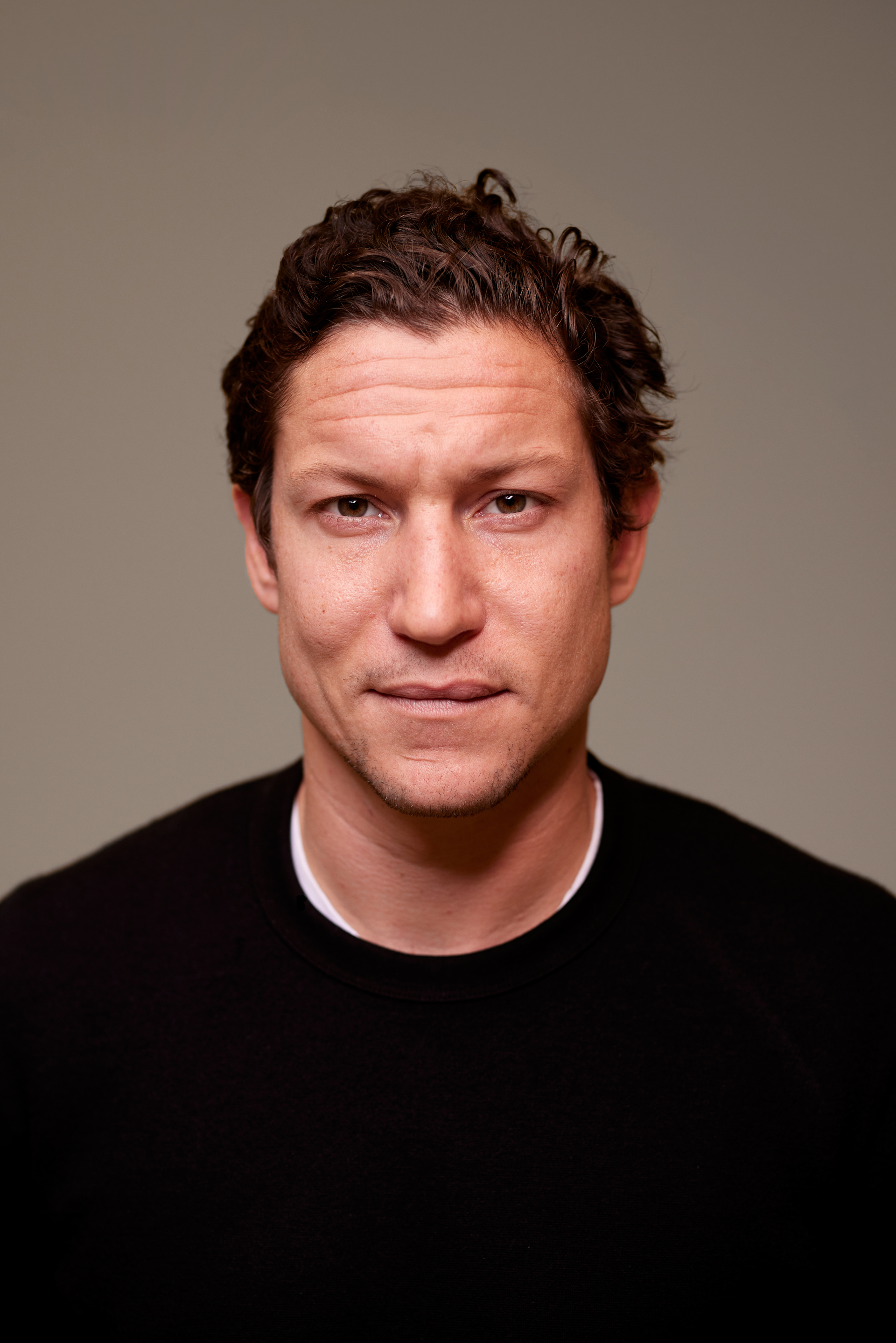
Vito Schanel. Foto Argenis Apolinario
«Sono sempre stato interessato ai dipinti su masonite di Joan Miró sin dalla prima volta che li ho visti alla retrospettiva dedicata all'artista dal MoMA nel 2008: mi hanno davvero colpito. C'era qualcosa nel modo in cui la pittura interagiva con quella particolare superficie che mi sembrava incredibilmente vivo. - Ci ha raccontato Vito Schnabel, in merito alla nascita di questa mostra. - Sono sempre stato affascinato dai pittori che sperimentano materiali diversi e dal modo in cui questi materiali influenzano il processo creativo e l'immagine finale. Ad esempio, Francesco Clemente che dipinge su denim, mio padre Julian Schnabel che lavora su velluto o Jean-Michel Basquiat che dipinge su un frigorifero. Trovo davvero affascinante la tensione che si crea tra il materiale e il gesto».
Una tensione che ritroviamo anche nella seconda mostra in galleria, dedicata a Rene Richard (1946–2014), poeta e pittore americano, figura intrinsecamente legata alla formazione di Vito Schnabel nell’ambito delle arti visive e alla storia della galleria, che negli ultimi vent’anni gli ha dedicato cinque mostre personali a New York, Los Angeles e Londra. In questo percorso espositivo sono presenti sei opere in cui, a partire dagli anni Ottanta, Ricard trasforma le sue poesie in dipinti, con solo testo o unendo immagini e parole. «Occasionalmente - ha spiegato la galleria - Ricard dipingeva direttamente su stampe antiche o dipinti trovati. Nelle sue opere successive, l'artista ampliò le sue ambizioni, lavorando su scala più ampia con immagini e testi completamente integrati».
Così aveva dichiarato Schanbel annunciando la mostra: «È un onore poter festeggiare il nostro decimo anniversario a St. Moritz con un artista che è stato così importante per la galleria sin dall'inizio. Rene ha contribuito a plasmare il mio modo di concepire l'arte. Sono stati dieci anni davvero significativi da quando ho rilevato lo spazio espositivo da Bruno Bischofberger, e non vedo l'ora di scoprire cosa ci riserverà il futuro».
Ricard è stato una figura di grande rilievo, che con i suoi testi ha contribuito in modo significativo al dibattito culturale della sua epoca, lavorando a fianco dei suoi più noti protagonisti: «A diciotto anni – ha raccontato la galleria - si trasferì a New York City, dove divenne allievo di Andy Warhol e parte integrante della scena che gravitava attorno alla Factory. Apparve in film classici di Warhol come Kitchen e Chelsea Girls. All'inizio degli anni '80, dopo aver raggiunto una posizione di rilievo nel mondo dell'arte grazie ai suoi influenti saggi, Ricard è stato riconosciuto per aver scoperto Jean-Michel Basquiat e per aver contribuito a lanciare la carriera di Keith Haring. Il suo saggio del 1981 “The Radiant Child”, pubblicato sulla rivista Artforum, è considerato all'avanguardia nella critica d'arte del XX secolo. Nel 1979, la Dia Art Foundation inaugurò la sua divisione editoriale con Rene Ricard 1979-1980". Il gallerista e Rene Ricard - ha proseguito la galleria - erano amici da sempre. Quando Schnabel compì 17 anni, iniziò a seguire lezioni informali di storia dell'arte con Ricard, durante le quali visitavano il Metropolitan Museum of Art e altri musei, dalla National Portrait Gallery di Washington D.C. alla Barnes Foundation di Filadelfia, fino all'Isabella Stewart Gardner di Boston, città natale di Ricard. Ricard ebbe un'influenza incredibile sulla vita di Schnabel e sulla sua decisione di aprire una galleria».
Nei prossimi mesi il programma della sede in Engadina sarà fitto di appuntamenti che pungolano la curiosità degli appassionati, come ci ha anticipato Schnabel stesso: «Abbiamo in programma diverse mostre interessanti per i prossimi due anni. Il prossimo inverno presenteremo una mostra di nuovi dipinti di Robert Nava. Stiamo inoltre pianificando progetti con Sir Norman Foster e Ai Weiwei».
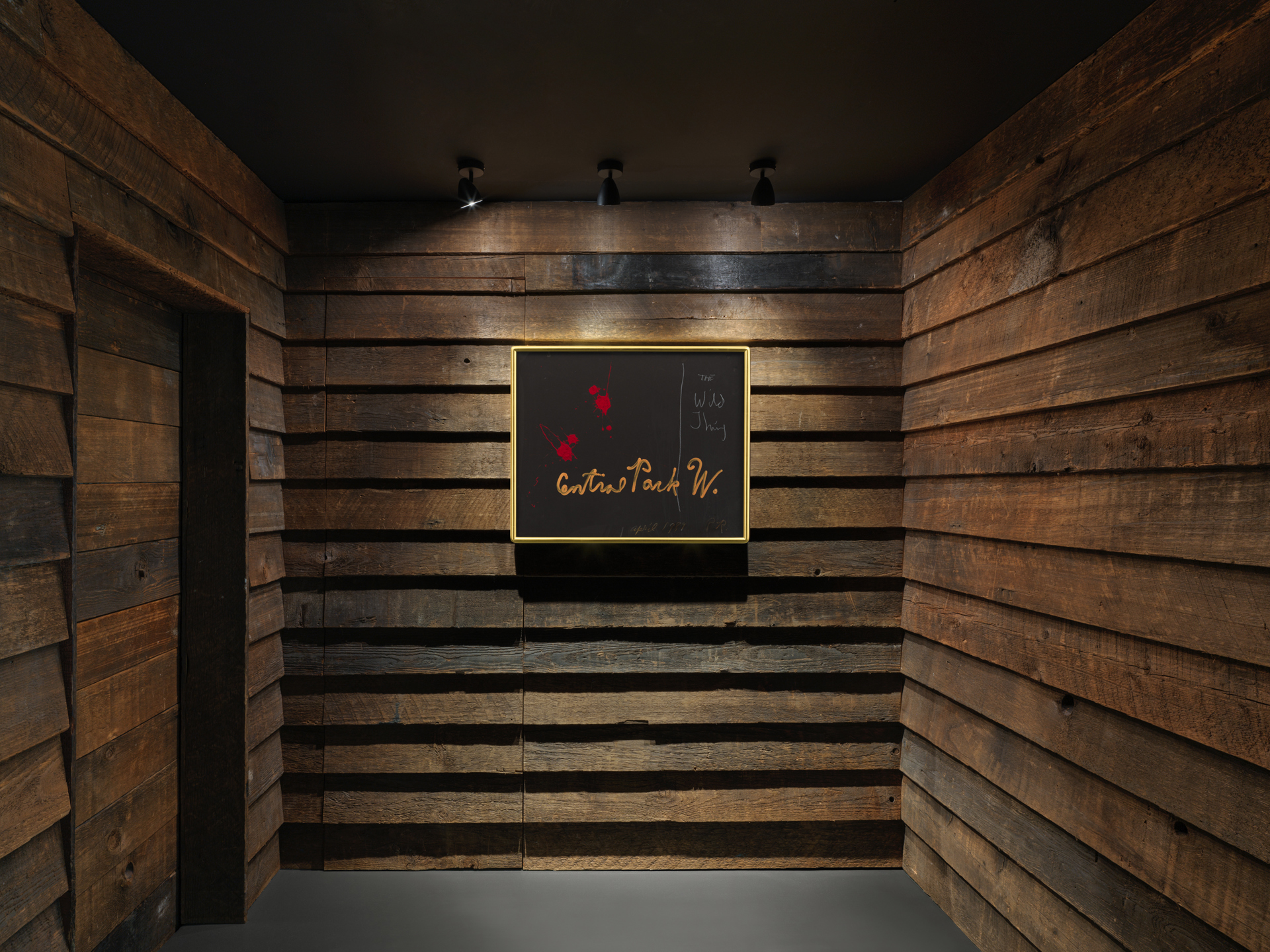
Rene Ricard: and if you arrive, do you know you are there? , Vito Schnabel Gallery, St. Moritz, 2025; © The Estate of Rene Ricard; Photo by Stefan Altenburger; Courtesy the Estate of Rene Ricard and Vito Schnabel Gallery
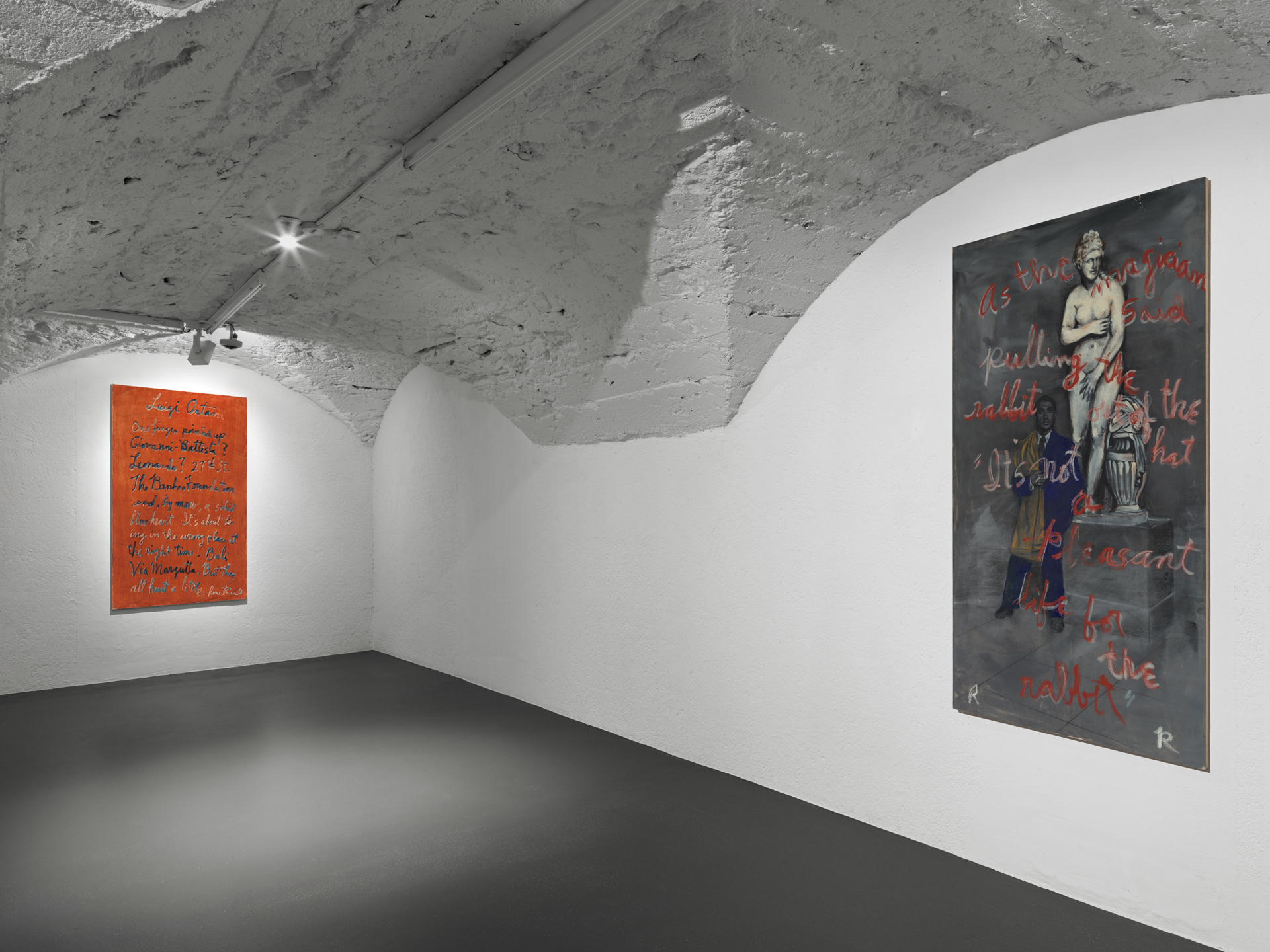
Rene Ricard: and if you arrive, do you know you are there? , Vito Schnabel Gallery, St. Moritz, 2025; © The Estate of Rene Ricard; Photo by Stefan Altenburger; Courtesy the Estate of Rene Ricard and Vito Schnabel Gallery
English version below
Joan Mirò and Rene Ricard in St. Moritz. The words of Vito Schnabel
At the Vito Schnabel Gallery in St. Moritz, Mirò's works on Masonite and Rene Ricard's paintings
An adventure that began in 2015 and is now one of the main players on the contemporary scene in St. Moritz: this is the Swiss headquarters of the Vito Schnabel Gallery, founded in New York in 2013 and present at the most prestigious international fairs, including Frieze Masters (2025), Art Basel Miami Beach (2023) and Art Basel in the Unlimited section (2021).
The gallery owner told Il Giornale dell'Arte about his decision to open a branch in one of the most famous locations for international elite tourism, linked more to a long history of friendship than to a commercial strategy: «I was looking for a space outside of New York to open my second gallery. I had spent a lot of time in Zurich and St. Moritz with Bruno Bischofberger, and had a special relationship to the Engadine. In 2015, Bruno offered me his space, and I took it over (the Bruno Bischofberg gallery is now located in Männedorf, a few kilometres from Zurich, ed.). We opened the gallery with an exhibition by Urs Fischer, dedicated to Bruno and his wife Yoyo, featuring a life-size candle portrait of the two of them that was lit for the duration of the show. It was a beautiful ceremonial homage and passing of the torch of the space. Concurrent with our Fischer exhibition, we also presented an outdoor installation of Sterling Ruby’s STOVES, across the street at the Kulm Hotel. It’s been an amazing ten years, I’ve had the opportunity to present incredible exhibitions, from Dan Flavin to Pat Steir, Markus Lüpertz, Angel Otero, Francesco Clemente, and now Miró».
The gallery, overlooking Via Maistra, is an intimate space on two levels, where two exhibitions are currently underway (both until 4 April 2026): “Joan Miró: The Assassination of Painting”, which offers a rare opportunity to see works from the Spanish artist's series painted on Masonite together, and “Rene Ricard: and if you arrive, do you know you are there?”, which opened at the end of 2025 and is the final act in the celebrations for the venue's tenth anniversary.
The former brings together seven rare works from the famous series of paintings on Masonite, which Miró created in Spain during the summer of 1936. «Begun just days before the outbreak of the Spanish Civil War, the series is widely regarded as one of the most important bodies of work in Miró’s career, representing a pivotal moment of rupture and transition–they were the last works Miró produced in Spain before fleeing to Paris», the gallery pointed out. The works in this series have been exhibited at MoMA in New York, Tate Modern in London, the Art Institute of Chicago and the Fundació Joan Miró in Barcelona. Their importance lies, in particular, in embodying the ultimate expression of the provocation launched almost a decade earlier by the artist when, in 1927, he publicly declared his intention to “assassinate painting”. In these works, Miró applies the paint directly onto Masonite panels (an industrial material made of compressed wood fibres invented in 1924 and used in construction), whose visually irregular surface becomes an integral part of the work and is covered with shapes defined by continuous black lines partially filled with colour, in a very material composition made with oil paints, casein, tar and sand, conveying a sense of expressive urgency and profound restlessness.
«I’ve been interested in Joan Miró’s Masonite paintings ever since I first saw them at MoMA’s 2008 retrospective of his work—they really stuck with me. There was something about the way the paint interacted with that particular surface that felt incredibly alive» - - Vito Schnabel told us about the birth of this exhibition. - «I’ve always been fascinated by painters who experiment with different materials, and how those materials shape the process and the final image. For example, Francesco Clemente painting on denim, or my father, Julian Schnabel, working on velvet, or Jean-Michel Basquiat working on a refrigerator. That tension between material and gesture is something I find really compelling».
This tension can also be found in the second exhibition in the gallery, dedicated to Rene Ricard (1946–2014), an American poet and painter, a figure intrinsically linked to Vito Schnabel's training in the visual arts and to the history of the gallery, which has dedicated five solo exhibitions to him in New York, Los Angeles and London over the last twenty years. This exhibition features six works in which, starting in the 1980s, Ricard transformed his poems into paintings, using only text or combining images and words. «Occasionally Ricard would paint directly on antique prints or found paintings. - Explained the gallery - In his later work, Ricard expanded his ambition, working on a larger scale with fully integrated imagery and text.
Schanbel announced the exhibition, stating, «It’s an honor to be able to celebrate our tenth anniversary in St. Moritz with an artist who has been such an important part of the gallery since the beginning. Rene helped form the way I think about art. It’s been an extremely impactful ten years since I took over the gallery space from Bruno Bischofberger, and I’m looking forward to what’s to come in the future».
Ricard was a highly influential figure who, through his writing, contributed significantly to the cultural debate of his time, working alongside its most prominent figures: «At age eighteen, - explained the gallery - he moved to New York City and became a protegé of Andy Warhol and part of the scene surrounding The Factory. He appeared in such classic Warhol films as Kitchen and Chelsea Girls. By the early 1980s, having achieved stature in the art world through his influential essays, Ricard was acknowledged for discovering Jean-Michel Basquiat, and for helping launch the career of Keith Haring. His breakthrough 1981 essay “The Radiant Child” in Artforum magazine is considered to be at the forefront of 20th Century art writing. In 1979, Dia Art Foundation inaugurated its publishing arm with Rene Ricard 1979-1980». The gallerist and Rene Ricard - the gallery continued - «were lifelong friends. When Schnabel turned 17, he started taking informal art history classes with Ricard, during which they would visit the Metropolitan Museum of Art, and other museums, from the National Portrait Gallery in Washington D.C. to The Barnes Foundation in Philadelphia, to the Isabella Stewart Gardner in Boston, Ricard’s hometown. Ricard was incredibly influential in Schnabel’s life and his decision to open a gallery».
In the coming months, the Engadine venue's programme will be full of events that will pique the curiosity of enthusiasts, as Schnabel himself revealed: «We have several exciting exhibitions planned for the next couple of years. Next winter, we’ll present a show of new paintings by Robert Nava. We are also in the process of planning projects with Sir Norman Foster and Ai Weiwei».
Silvia Conta, 12 marzo 2026 | © Riproduzione riservata

