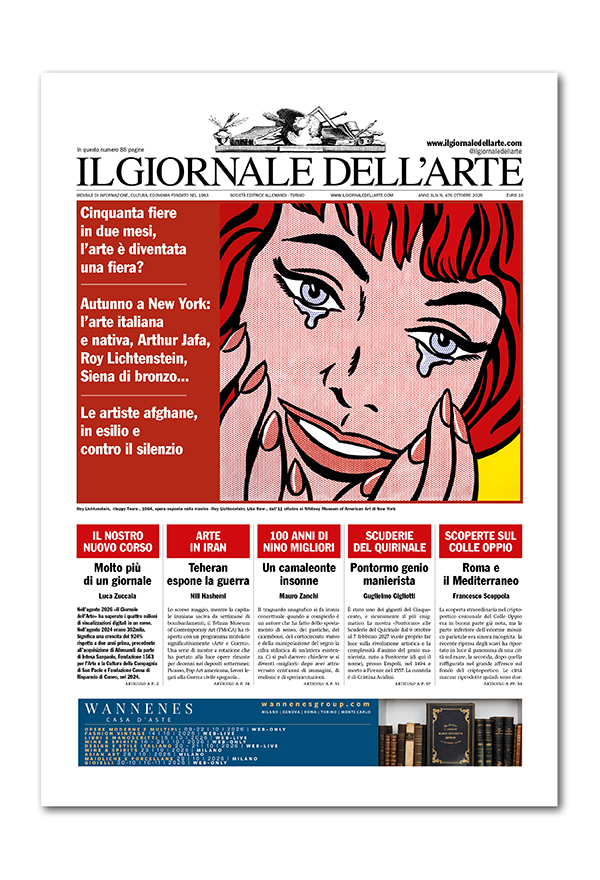
IL NUMERO DI OTTOBRE 2026 in edicola
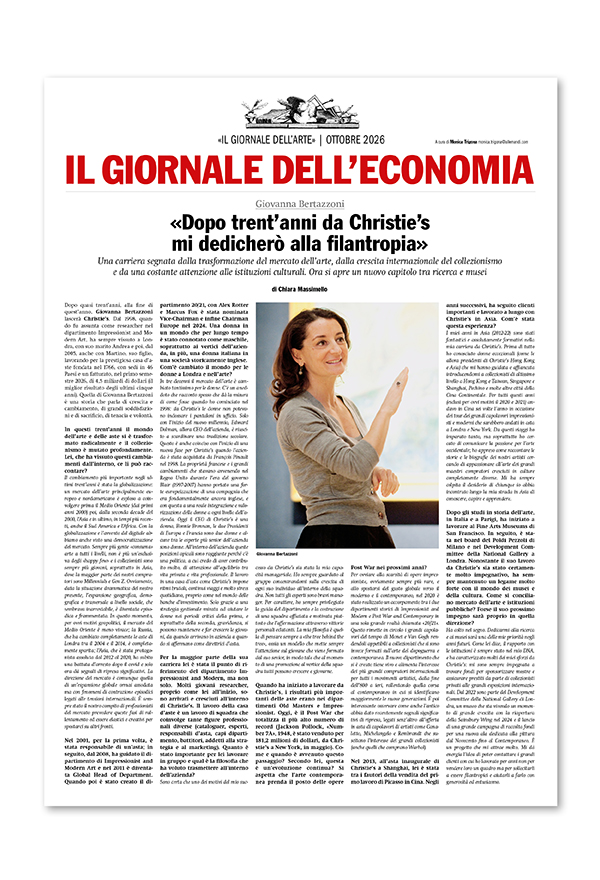
IL NUMERO DI OTTOBRE 2026 in edicola
IL NUMERO DI OTTOBRE 2026 in edicola
IL NUMERO DI OTTOBRE 2026 in edicola
IL NUMERO DI OTTOBRE 2026 in edicola
IL NUMERO DI OTTOBRE 2026 in edicola


Verifica le date inserite: la data di inizio deve precedere quella di fine


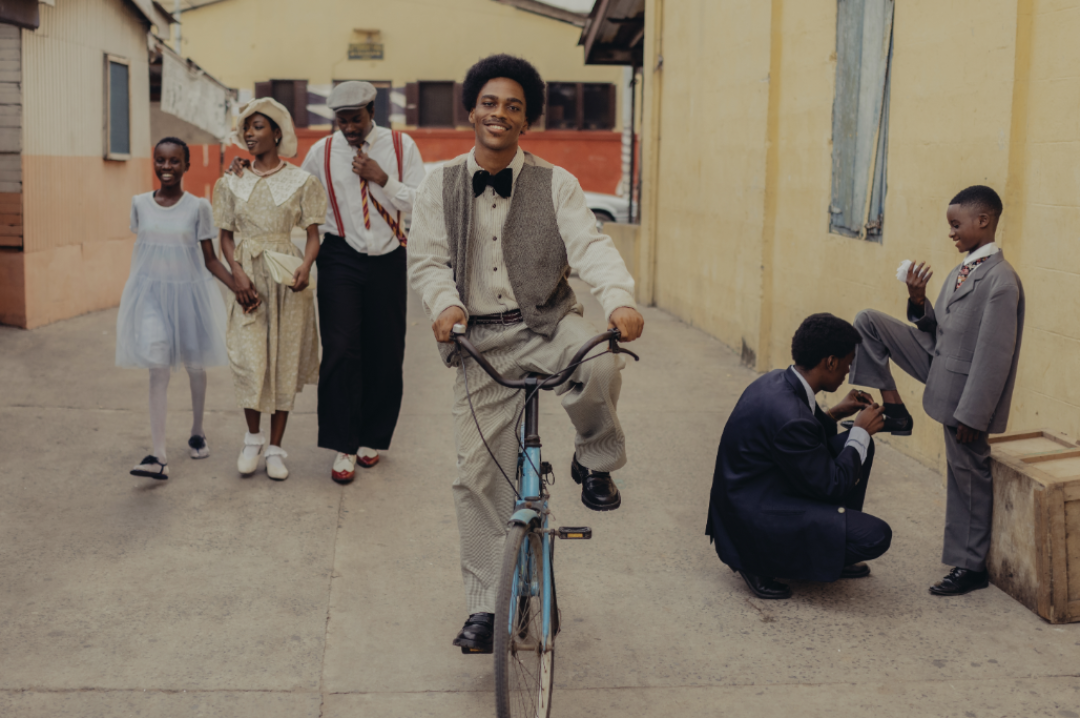
Carlos Idun-Tawiah, «Molte ragioni per rivivere», 2022.
Courtesy dell'artista e della Galería Alta.
Les Rencontres d’Arles inaugurata oggi la 57ª edizione dedicata a Africa e Mediterraneo
Tra fotografi, curatori e visitatori da tutto il mondo, al via il primo giorno della settimana inaugurale del festival Les Rencontres d’Arles, dedicata ad Africa e Mediterraneo tra indipendenze, migrazioni e riletture della memoria fotografica contemporanea
Carolina Sandretto
Leggi i suoi articoliLa 57esima edizione delle Rencontres d’Arles si apre oggi con il titolo «Mondi da Rileggere». Questa rilettura si rivolge al Meriterraneo e all’Africa e il Festival esplora temi come identità, storia e rappresentazioni, invitandoci a vedere il mondo con più intensità. I sotto temi del festival trattano l’indipendenza e le attraversate e danno spazio hai giovani talenti includendo le mostre dei grandi maestri. Un compito anche quest’anno ambizioso per Les Rencontres, che si conferma essere, forte dei suoi 175.000 visitatori del 2025 uno dei festival più importanti in Europa.
Nella selezione sulle indipendenze la mostra collettiva «Ghana!», e quella sul fotografo Ganese Paul Kodjo, spiccano sia per la qualità che per la particolarità. «Ghana!», racconta la storia dell’indipendenza dle paese che il 6 marzo 1957, dopo oltre un secolo di dominio britannico, diventò il primo paese dell’Africa subsahariana a emanciparsi. In quel momento il paese dovette affrontare la costruzione dello Stato, e definire una nuova identità nazionale. La mostra comprende una serie di fotografie e di libri che sono stati creati per rafforzare il senso della libertà e per costruire un rinnovato senso di identità del paese. Particolarmente suggestive le fotografie di Paul Strand tratte dal libro «Ghana».
Anche la mostra di Paul Kodjo spiega come la fotografia abbia contribuito a costruire e diffondere una nuova rappresentazione del Ghana, rafforzandone l'identità. Quando torna nel nel suo paese nel 1970, Kodjo fonda una agenzia stampa e crea fotoromanzi che descrivono questo particolare momento storico di creazione. Enormi foto in bianco e nero trasportano nelle case, decorate con tappezzerie e decorazioni anni ‘70. Come in una macchina del tempo, le fotografie a metà tra foto di moda e foto di documentario dimostrano come la fotografia sia fondamentale per creare la Storia e per costruire la coscienza collettiva di un popolo.
Il tema delle indipendenze affiora anche nel lavoro di Ayana V. Jackson con «La buona novella non è annunciata sulle vette delle montagne, ma nelle radure.» Quale è la migliore maniera di fare colpo sul pubblico francese? Quella di citare il ritratto a cavallo di Napoleone di Jacques Louis David, e poi ribaltarlo. Sul cavallo non c’è un uomo ma bensì l’artista nei panni di diverse donne molto importanti ma dimenticate dalla storia. Attraverso l'incarnazione performativa, Jackson si fotografa ispirandosi a immagini d'archivio e reinterpreta le storie della diaspora africana, decostruendo il ritratto per mettere in discussione lo sguardo coloniale e la costruzione delle identità razziali e di genere.
Anche il lavoro di Kati Kameli parla del mondo femminile seguendo le sue radici. Il suo video si apre con il disegno di un tradizionale motivo all'henné sulle mani di una donna, dando avvio a un viaggio nella memoria dell'Algeria. Guidati da una ragazza giovane che rappresenta l'artista, si attraversano le storie delle donne ispirate a La Nouba des femmes du Mont Chenoua (1977) di Assia Djebar. Dal ritrovamento della sceneggiatura del film, Katia Kameli costruisce un racconto che intreccia la propria biografia con quella del suo Paese. Vecchie immagini d'archivio e nuove riprese formano un video suggestivo proiettato sulle pareti di una chiesa in una riflessione sulla trasmissione della memoria, dei gesti e dell'identità algerina.
La sezione delle Attraversate invece comprende delle mostre più diversificate che toccano molti temi. Per i fotografi Marie-Claude Deffarge e Gordian Troeller le attreversate sono durate 50 anni che si vedono dalle mappe che illustrano la loro carriera ma anche le crisi umanitarie e le guerre che hanno documentato. Una carriera internazionale lunga e ricca di lavoro come fotografi per il magazine tedesco Stern. Tra il 1979 e il 1983, Deffarge e Troeller realizzano la serie «Femmes du Monde», dodici film dedicati alla condizione femminile in diversi contesti culturali. Attraverso temi come la poligamia, la verginità e il movimento femminista, denunciano il patriarcato e il ruolo delle istituzioni, in particolare della Chiesa, nel perpetuare i ruoli di genere, lasciando spazio alle testimonianze dirette delle protagoniste. Spezzoni di film e fotografie si intersecano in un dialogo che lascia molto da riflettere a chi lo guarda.
Il viaggio di Oriane Cintar Olive invece e più onirico che reale. Nel 2019, Olive tenta di tornare in Siria seguendo il tracciato della ferrovia Beirut-Damasco, distrutta dalla guerra civile, ma non riesce ad attraversare il confine. Costretta a cambiare percorso, raggiunge il muro di separazione di Kfar Kila, che diventa il punto d'origine della sua ricerca. Il Libano diventa così «Nabil», un'anagramma che esprime un ribaltamento di prospettiva. Questo principio si riflette anche nelle immagini, realizzate capovolgendo la pellicola e impressionandone direttamente il retro, senza emulsione. Le immagini sono espose sui muri che diventano puro colore, ombre che si susseguono e fotografie geografiche installare molto in basso. La Siria di Olive diventa un viaggio nella sua immaginazione.
Nel mediterraneo invece il viaggio sicuramente più bello ed emozionante di questa edizione delle Rencontres. Quello dell’artista Anne-Lise Broyer. Broyer con «Mediterraneo. È qui che abitavamo?» ritrae volti di statue greche, persone e città, tutti appartenenti al Mediterraneo. Un grigio sordo rende le fotografie simili tra loro e unisce luoghi come Beirut, Il Cairo, Tangeri, Chania, Creta, Ostia, Roma, Gerusalemme e Napoli. In questo viaggio emerge l'idea di una cultura mediterranea comune, rafforzata dalle poesie di autori come Erri De Luca e Marianne Catzaras, che si alternano alle immagini. La vicinanza tra fotografie e dei testi, che guidano l’artista, crea un percorso senza tempo, ma profondamente legato alle problematiche del presente. Un lavoro forte e poetico che lascia incantati ma consci delle problematiche affrontate.
Infine il viaggio termina con la mostra «I nostri luoghi lontani» una rilettura dell’archivio fotografico immenso della FNAC da parte della scrittrice Natacha Appanah. All’interno dello spazio le fotografie sono accompagnate dalla voce dell’autrice che ci racconta: «Quando faccio una foto c'è sempre un dettaglio che non vedo e mi chiedo se non sia proprio quella la cosa che gli altri vedono per prima». Fotografie in bianco e nero, poetiche come quelle di Stéphane Duroy su New York o di Martine Voyeux sulla Spagna del 1988 si susseguono, e lo spettatore viene accompagnato dalla voce della scrittrice in un viaggio immaginario, dove le parole guidano il nostro sguardo sulle immagini. Si passa dalla Transiberiana di Patrick Bard all'Ucraina di Klavdij Sluban. La somiglianza tra luoghi che sembrano non avere nulla in comune è evocativa e richiama il tema dell'universalità dell'esperienza umana, il viaggio per antonomasia. Natasha ci lascia con una domanda che sembra perfetta nei duecento anni della fotografia: « Di cosa sono fatte le storie che raccontano le fotografie? Hanno ingredienti che cambiano con il tempo: la grana degli anni, la luce che ingiallisce e talvolta si frantuma in pagliuzze, i bordi che si addolciscono come i caratteri, i dettagli nascosti che riaffiorano? Hanno, come i libri, la capacità di dispiegarsi dentro di noi, di parlarci come se esistessero soltanto per il nostro sguardo? Aspettano pazientemente che troviamo, finalmente, ciò che le rende simili a noi, ciò per cui diventano lo specchio delle nostre sofferenze e delle nostre speranze?» Queste sono forse le domande perfette da porsi scoprendo questa edizione delle Rencontres d’Arles.
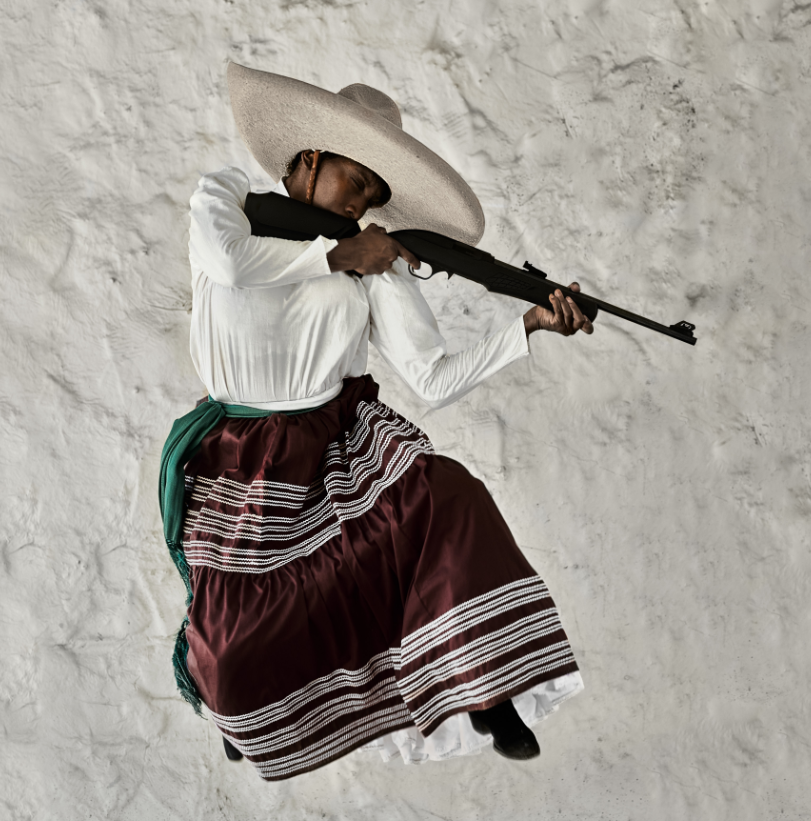
Ayana V. Jackson, «Adelita: Non era solo coraggiosa, era bellissima», 2023. Courtesy dell'artista e di Mariane Ibrahim.
Les Rencontres d’Arles kicks off its 57th edition today, dedicated to Africa and the Mediterranean
The 57th edition of the Rencontres d’Arles opens today under the theme «Worlds to Reinterpret.» This reinterpretation focuses on the Mediterranean and Africa, and the festival explores themes such as identity, history, and representations, inviting us to see the world with greater intensity. The festival’s subthemes address independence and migration, and provide a platform for young talent while also featuring exhibitions by the great masters. Once again this year, Les Rencontres has set itself an ambitious goal, reaffirming its status, with 175,000 visitors in 2025, as one of Europe’s most important festivals.
In the selection on independence, the group exhibition «Ghana!» and the exhibition on Ghanaian photographer Paul Kodjo stand out for both their quality and their uniqueness. «Ghana!» tells the story of the country’s independence: on March 6, 1957, after more than a century of British rule, it became the first country in sub-Saharan Africa to gain independence. At that time, the country had to tackle nation-building and define a new national identity. The exhibition features a series of photographs and books created to reinforce the sense of freedom and build a renewed sense of national identity. Particularly striking are Paul Strand’s photographs from the book «Ghana.»
Paul Kodjo’s exhibition also illustrates how photography helped shape and disseminate a new representation of Ghana, thereby strengthening its identity. Upon returning to his homeland in 1970, Kodjo founded a photo agency and created photo-novels depicting this unique historical moment of nation-building. Huge black-and-white photos transport viewers into homes decorated with 1970s-style tapestries and furnishings. Like a time machine, these photographs, somewhere between fashion and documentary, demonstrate how photography is fundamental to shaping history and building a people’s collective consciousness.
The theme of independence also emerges in Ayana V. Jackson’s work with «The good news is not proclaimed on mountain peaks, but in clearings.» What is the best way to make an impression on the French public? To reference Jacques-Louis David’s portrait of Napoleon on horseback, and then subvert it. On the horse is not a man but the artist herself, embodying various women who were once very important but have been forgotten by history. Through performative embodiment, Jackson photographs herself, drawing inspiration from archival images, and reinterprets the stories of the African diaspora, deconstructing the portrait to challenge the colonial gaze and the construction of racial and gender identities.
Kati Kameli’s work also explores the female experience by tracing its roots. Her video opens with a traditional henna design on a woman’s hands, launching a journey into the collective memory of Algeria. Guided by a young girl representing the artist, viewers traverse the stories of women inspired by Assia Djebar’s La Nouba des femmes du Mont Chenoua (1977). Based on the discovery of the film’s screenplay, Katia Kameli constructs a narrative that intertwines her own biography with that of her country. Old archival footage and new footage come together to form an evocative video projected onto the walls of a church, reflecting on the transmission of memory, gestures, and Algerian identity.
The «Attraversate» section, on the other hand, features a more diverse range of exhibitions covering many themes. For photographers Marie-Claude Deffarge and Gordian Troeller, these «journeys» have spanned 50 years, as seen in the maps illustrating their careers as well as the humanitarian crises and wars they have documented. They have had a long and prolific international career as photographers for the German magazine Stern. Between 1979 and 1983, Deffarge and Troeller produced the series «Femmes du Monde,» twelve films dedicated to the status of women in various cultural contexts. Through themes such as polygamy, virginity, and the feminist movement, they denounce patriarchy and the role of institutions, particularly the Church, in perpetuating gender roles, while giving voice to the direct testimonies of the women featured. Film clips and photographs intertwine in a dialogue that offers viewers much food for thought.
Oriane Cintar Olive’s journey, on the other hand, is more dreamlike than real. In 2019, Olive attempted to return to Syria by following the route of the Beirut-Damascus railway, which had been destroyed by the civil war, but was unable to cross the border. Forced to change course, she reached the separation wall at Kfar Kila, which became the starting point of her exploration. Lebanon thus becomes «Nabil,» an anagram that expresses a reversal of perspective. This principle is also reflected in the images, created by turning the film upside down and exposing the back directly, without emulsion. The images are displayed on walls that become pure color, a succession of shadows, and geographical photographs installed very low to the ground. Olive’s Syria becomes a journey into her imagination.
In the Mediterranean, however, the most beautiful and moving journey of this edition of the Rencontres is undoubtedly that of artist Anne-Lise Broyer. With «Mediterranean. Is This Where We Lived?», Broyer portrays the faces of Greek statues, people, and cities, all belonging to the Mediterranean. A muted gray tone makes the photographs resemble one another and unites places such as Beirut, Cairo, Tangier, Chania, Crete, Ostia, Rome, Jerusalem, and Naples. This journey brings to light the idea of a shared Mediterranean culture, reinforced by poems by authors such as Erri De Luca and Marianne Catzaras, which alternate with the images. The closeness between the photographs and the texts, which guide the artist, creates a timeless journey that is nonetheless deeply connected to the issues of the present. A powerful and poetic work that leaves viewers enchanted yet aware of the issues addressed.
Finally, the journey concludes with the exhibition «I nostri luoghi lontani» («Our Distant Places»), a reinterpretation of FNAC’s vast photographic archive by writer Natacha Appanah. Within the exhibition space, the photographs are accompanied by the author’s voice, which tells us: «When I take a photo, there’s always a detail I don’t see, and I wonder if that isn’t exactly what others see first.» Black-and-white photographs, as poetic as those by Stéphane Duroy on New York or by Martine Voyeux on Spain in 1988, unfold one after another, and the viewer is guided by the writer’s voice on an imaginary journey, where words direct our gaze toward the images. We move from Patrick Bard’s Trans-Siberian Railway to Klavdij Sluban’s Ukraine. The resemblance between places that seem to have nothing in common is evocative and calls to mind the theme of the universality of human experience, the journey par excellence. Natasha leaves us with a question that seems perfectly suited to the bicentennial of photography: «What are the stories told by photographs made of? Do they contain elements that change with time: the patina of the years, the light that yellows and sometimes shatters into specks, the edges that soften like typefaces, the hidden details that resurface? Do they, like books, have the ability to unfold within us, to speak to us as if they existed solely for our gaze? Do they wait patiently for us to finally discover what makes them like us, what makes them a mirror of our sufferings and our hopes?» These are perhaps the perfect questions to ask ourselves as we explore this edition of the Rencontres d’Arles.
Carolina Sandretto, 06 luglio 2026 | © Riproduzione riservata